

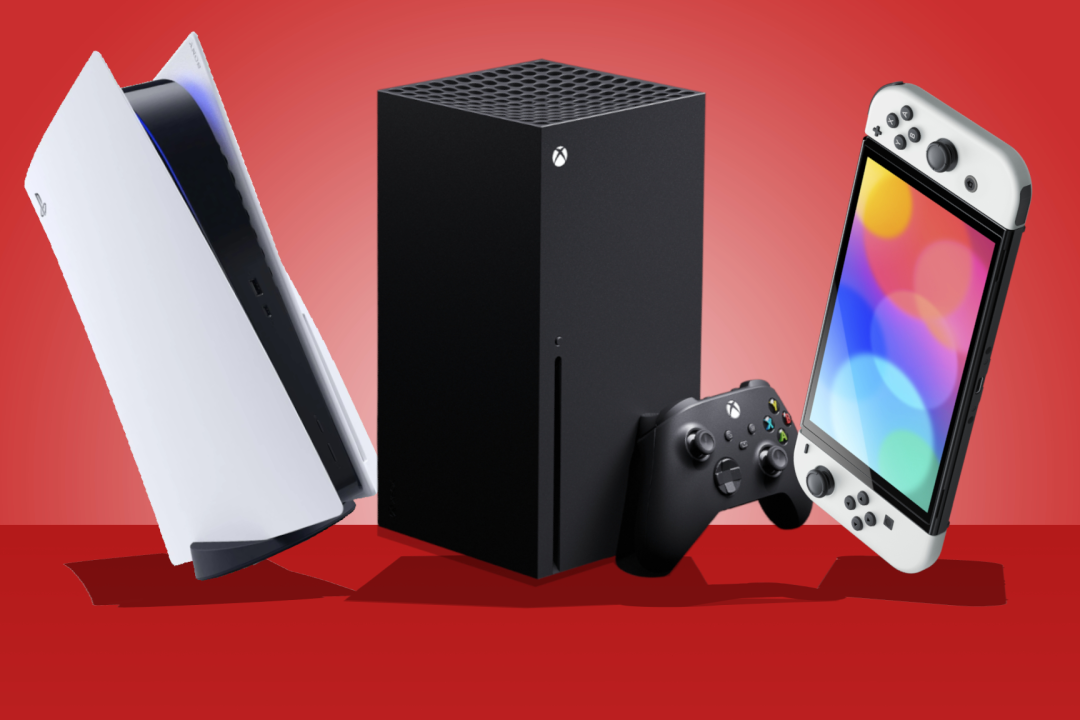
In recent weeks, Microsoft has implemented price increases across its entire Xbox Series console range and accessories globally, while also confirming that several new game titles will retail at $80 during the upcoming holiday season. This development follows similar moves by PlayStation, which raised console prices in certain regions, and Nintendo, which increased Switch 2 accessory prices and announced its first $80 game.
These tariff-driven price increases have created a concerning pattern across the gaming landscape. Industry analysts have been consulted to understand the implications of these developments, how significantly gaming expenses will increase in the near future, and whether these changes spell trouble for any major platforms.
The good news is that no major gaming platforms or consoles are at risk of disappearing. The less encouraging news is that consumers will be paying substantially more for gaming experiences – and numerous other products – in the coming months.
The Tariff Effect
Multiple analysts attribute the price increases primarily to tariffs, particularly the uncertainty surrounding them as the current U.S. administration adjusts different tariff structures for various countries. According to the CEO of Kantan Games, Inc., the fact that Microsoft manufactures its consoles in Asia makes these price hikes inevitable in the current economic climate.
The timing of Microsoft’s announcement is considered strategic, using the current economic turbulence as a backdrop to implement global price increases while mitigating potential consumer backlash. By executing all price adjustments simultaneously rather than implementing them gradually across different territories, Microsoft has consolidated negative reactions into a single news cycle.
A professor from NYU Stern described the approach as removing a bandage all at once rather than experiencing death by a thousand cuts. The synchronized global price adjustment represents a strategic recalibration in response to tariff pressures, with Microsoft implementing comprehensive increases across hardware, subscriptions, and first-party titles simultaneously.
The director of market intelligence at Newzoo noted that the timing of the announcement well before the holiday season provides partners with adequate time to adjust and consumers time to reconsider their purchasing decisions.
Beyond tariffs, other factors have contributed to the price increases, including persistent inflation exceeding expectations and rising supply chain costs. The game research director at Ampere Analytics indicated that Microsoft likely recognized a significant price gap between its entry-level offerings and those of PlayStation 5 and Switch 2, providing substantial room for increases.
Industry Ripple Effects
Regarding potential PlayStation price increases for hardware, accessories, and games, most analysts believe Sony will likely follow suit. The head of market analysis at Alinea Analytics expressed particular confidence about the future of $80 games, stating that this is just the beginning and that with Nintendo and Xbox raising software prices, the floodgates are now open for publishers across all platforms.
The analyst explained that varied pricing structures would likely emerge, with games available at multiple price points from $50 to $80, with lower-priced games potentially selling more copies due to perceived discounting. After these interviews, Electronic Arts specifically stated they would not raise game prices for the time being.
The director of research and insights at Niko Partners observed that Sony had already implemented console price increases outside the United States but suggested the U.S. market might be next. He noted that both Sony and Microsoft have shown reluctance to raise prices in the U.S. due to its market size and importance for console sales.
A senior analyst at Omdia highlighted that PS5 hardware is predominantly manufactured in China, making Sony’s supply chain vulnerable to U.S.-imposed tariffs. With Microsoft having made the first move on price adjustments, the path is now clear for Sony to follow with PS5 price increases.
Market Impact Assessment
Despite concerns that higher prices might hurt console manufacturers by reducing consumer purchasing power, analysts generally believe this won’t significantly impact major companies. Microsoft’s recent “This Is An Xbox” campaign suggests the company has been preparing for this scenario, positioning itself as a service platform rather than an experience tied to specific hardware.
The game research director at Ampere Analytics predicted that Xbox hardware sales revenue would continue to decline, moderated somewhat by higher price points, with an expected boost in Q2 2026 due to the launch of GTA 6.
Most analysts suggested that overall games spending would not significantly decrease but might redistribute. The head of market analysis at Alinea Analytics explained that gaming has proven remarkably price-inelastic even during challenging economic periods, with early adopters maintaining their purchasing habits despite increasing costs.
The director of market intelligence at Newzoo indicated that while total spending might remain stable or grow modestly, consumers may become more selective, spending less on individual full-priced titles and more on subscriptions, discounted bundles, or long-term service games.
The senior analyst at Circana expressed less optimism than others, suggesting consumers would likely shift toward free-to-play and more accessible gaming forms, including titles they already own. He anticipated that games like Fortnite, Minecraft, and Roblox would see increased player numbers and engagement time, while consumers would be less likely to purchase new hardware as everyday expenses continue to rise.