

Valve’s New Steam Machine: 8 GB VRAM – Sufficient for AAA Games or a Risky Gamble?
Valve has recently made waves by unveiling its latest gaming device, the Steam Machine. While the announcement has sparked excitement, a closer inspection of the specifications reveals potential concerns for gamers. The Steam Machine seems to offer a mix of innovation and questionable hardware choices, raising eyebrows among those familiar with industry advancements.
Valve’s Steam Machine: AMD’s Custom CPU With RDNA 3 GPU Onboard But Just 8 GB VRAM?
The Steam Machine’s specification sheet provides insight into its capabilities, particularly focusing on its graphical power. At the heart of the device is a ‘semi-custom’ GPU based on AMD’s RDNA 3 architecture. This choice echoes the specifications of AMD’s Radeon RX 7600, with an identical VRAM count but reduced compute units and a lower TDP of 110W. Valve promotes the Steam Machine as a ‘4K@60FPS’ console, but it achieves this feat using AMD’s FSR technology rather than raw GPU power. Consequently, the GPU is mainly suited for 1080p gaming.
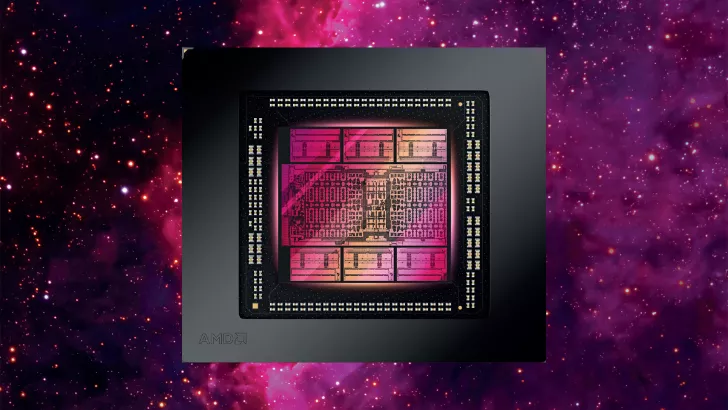
When NVIDIA launched the RTX 5050 and AMD introduced the RX 9060, the industry heavily criticized the 8GB VRAM capacity. This sentiment is likely to echo with the Steam Machine’s similar VRAM, as it may fall short in delivering a seamless experience for modern AAA games, especially in maintaining high texture quality.
“Steam Machine Isn’t a PC Rival, It’s Actually a Console Counterpart” – Here’s How This Argument Plays Out
The Steam Machine is entering the market as a competitor for consoles like the PlayStation 5 and Xbox Series X in early 2026. Comparing the GPU capabilities of these devices reveals that the Steam Machine, while sporting the new RDNA 3 architecture, lags in other performance metrics. Its estimated 17.27 TFLOPS is impressive, but with just 8 GB of GDDR6 VRAM, it struggles against its more powerful counterparts.
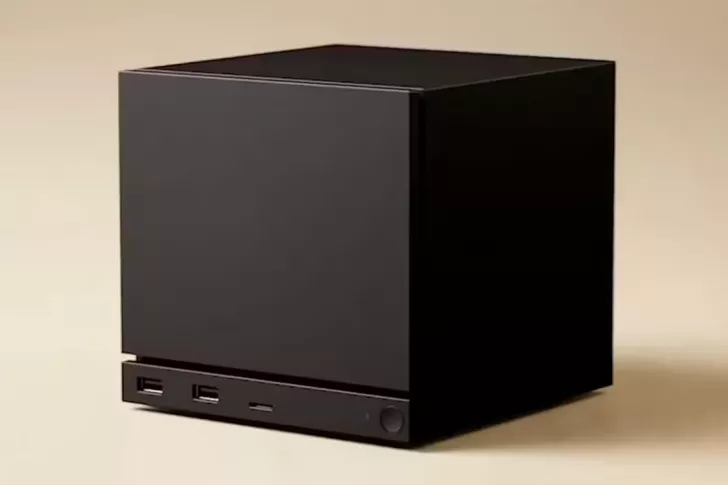
This device is not designed to lead in high-performance gaming but rather to integrate well within the SteamOS ecosystem. However, with its release date approaching, the specifications feel outdated compared to current technology, which might hinder its widespread acceptance.
Valve’s Steam Machine: Will Older GPUs Get a New Lifeline?
The limited 8 GB VRAM of the Steam Machine might provide a breath of fresh air for older GPUs, as developers could be encouraged to optimize games for this specification. This strategy could allow gamers with budget hardware to remain relevant. The key to Valve’s success will lie in pricing the Steam Machine competitively to avoid the pitfalls that plagued its predecessor, which suffered from poor game compatibility and high costs.
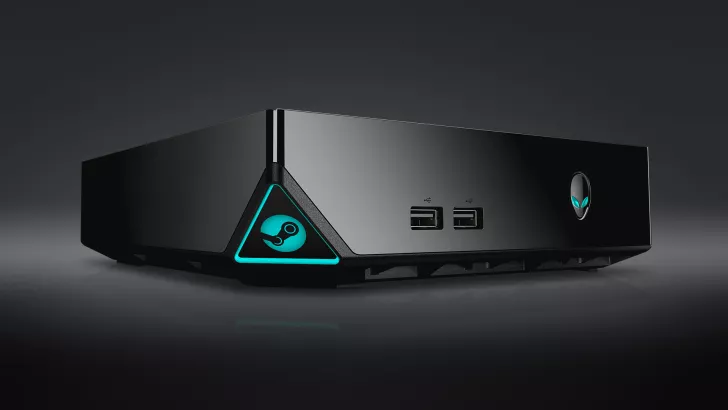
Valve must ensure that their new Steam Machine is priced right to succeed where the first-generation Steam Machine faltered, struggling with game compatibility and high pricing.