

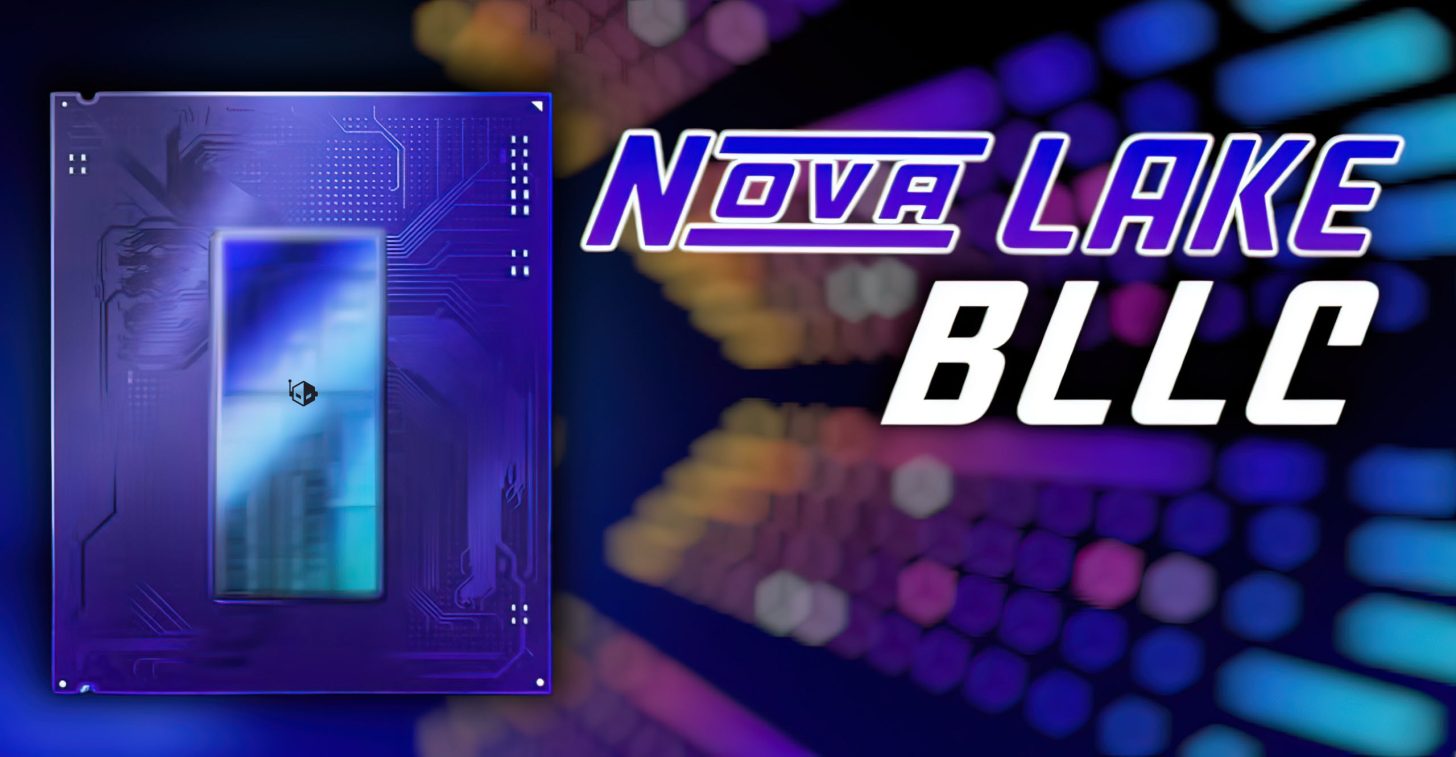
Intel’s upcoming Nova Lake Desktop CPUs are poised to make a significant impact with their innovative configurations and robust performance. With the introduction of the “bLLC” big cache and an impressive core count of up to 52, Intel is gearing up for a major return to the forefront of desktop computing. This new lineup is set to redefine expectations and elevate competition in the CPU market.
Revolutionary Core Configurations for Nova Lake
Intel is focusing on revolutionizing the desktop segment after facing challenges with Arrow Lake’s gaming performance and lingering stability issues in previous generations. Reports suggest that the upcoming Nova Lake processors will feature four distinct SKUs, each promising new levels of performance. Of particular note is that only the unlocked or K-series SKUs will incorporate the bLLC “Big Cache” design, adding to their allure.
As shared by sources, Intel’s commitment to four SKUs remains, with one SKU presenting a unique core arrangement. The Nova Lake series will include two “Core Ultra 9” dual compute tile models and two “Core Ultra 7” single compute tile models. Anticipation is high for the potential new branding, possibly akin to the “X9” and “X7” series expected with Panther Lake. These dual compute tile CPUs will showcase configurations of 52 cores (16P+32E+4LPE) and 42 cores (14P+24E+4LPE), delivering up to 288 MB of bLLC. Meanwhile, single compute tile models will offer 28-core (8P+16E+4LPE) and 24-core (8P+12E+4LPE) configurations with 144 MB of bLLC.
Looking Ahead: Manufacturing and Market Strategies
Rumors are swirling about Intel’s potential collaboration with Samsung to utilize its 8nm process technology for manufacturing the 900-series PCH, intended for the upcoming LGA 1954 motherboard platforms. Although unconfirmed, this move would align with Intel’s strategy to support Nova Lake-S Desktop CPUs and future generations.
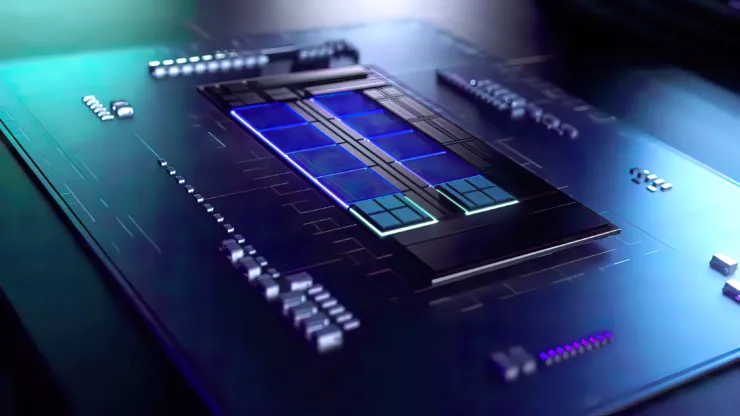
Intel’s engineering team is also reportedly working on extending socket support beyond one or two generations, inspired by AMD’s socket longevity strategy. The current LGA 1851 will accommodate Arrow Lake and its refresh lineup, but future iterations aim to enhance support duration. Nova Lake “Core Ultra 400” Desktop CPUs are expected in late 2026, with Intel promising a renewed claim to the leadership title from AMD. The market eagerly awaits this resurgence to invigorate competition in the DIY desktop CPU sector.
Nova Lake-S vs Arrow Lake-S
| Family | Nova Lake-S | Arrow Lake-S |
|---|---|---|
| Core Count (Max) | 52 | 24 |
| Thread Count (Max) | 52 | 24 |
| Max P-Cores | 16 | 8 |
| Max E-Cores | 32 | 16 |
| Max LP-E Cores | 4 | 0 |
| Max Cache (L2+L3) | TBD | 76 MB |
| Max bLLC Cache | 144-180 MB | N/A |
| DDR5 (1DPC 1R) | 8000 MT/s | 7200-6400 MT/s |
| PCIe 5.0 Lanes (Max) | 36 | 24 |
| PCIe 4.0 Lanes (Max) | 16 | 4 |
| Socket Support | LGA 1954 | LGA 1851 |
| Max TDP | 150W | 125W |
| Launch | 2026 | 2H 2025 |