

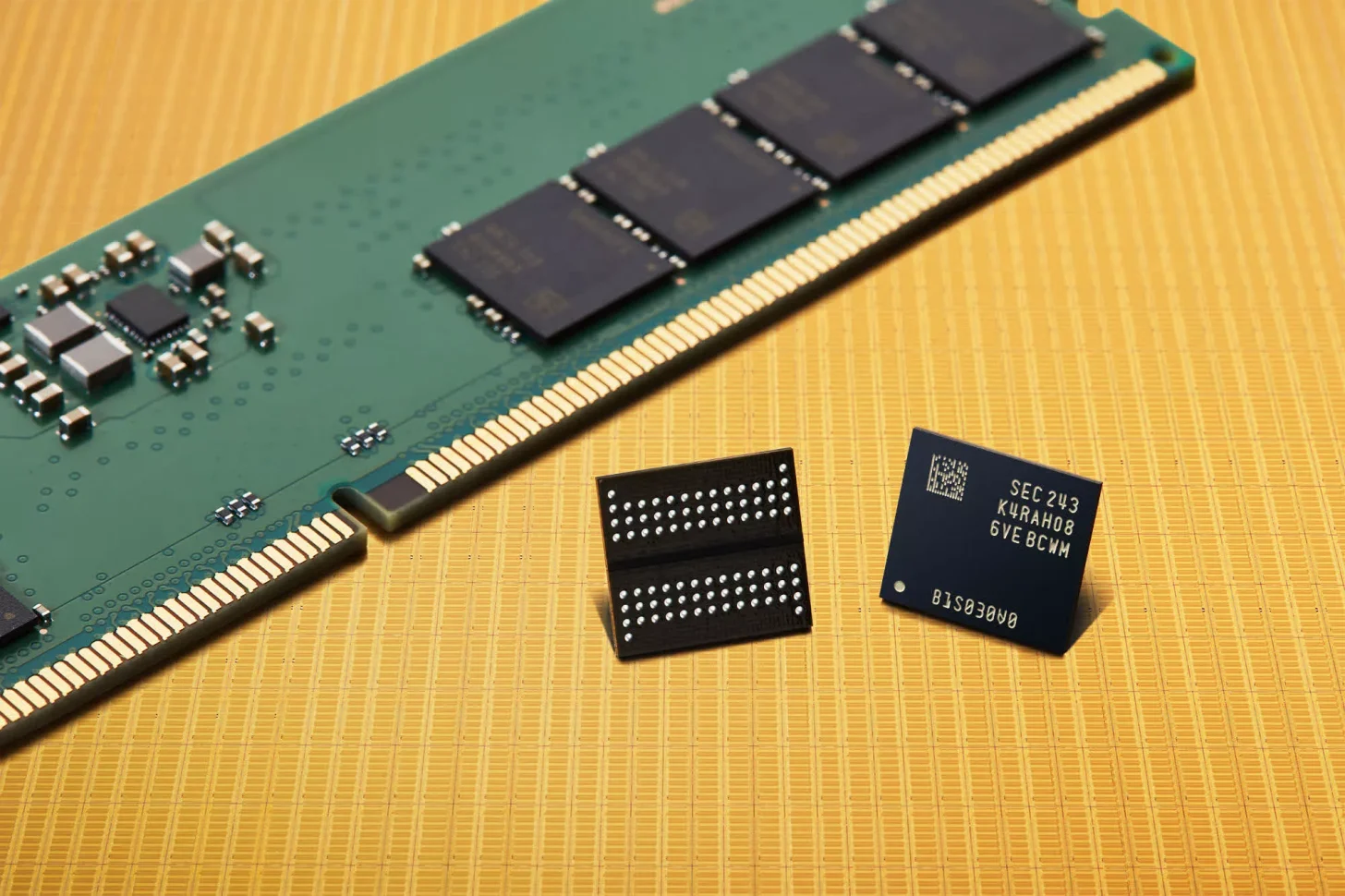
The looming memory shortages in the technology sector have sparked concerns across various industries, with no consumer markets expected to be spared. As these shortages intensify, major players like Samsung are navigating the challenges that come with a strained supply chain. The issue has expanded beyond the realm of mobile devices, now threatening to impact home electronics including TVs and appliances.
Memory Shortages Impacting Consumer Electronics
The tech industry is grappling with severe memory shortages, a problem that is worsening as time progresses. Reports suggest that DRAM contract prices could soar by over 50% in the first quarter of 2026, influencing suppliers such as Samsung and SK hynix to opt for shorter agreements rather than long-term contracts. Samsung’s co-CEO, TM Roh, has noted the pressure these shortages are placing on consumer products, though the semiconductor sector stands to gain. The crisis is affecting not just mobile phones but a wide range of consumer electronics, from TVs to home appliances.
“As this situation is unprecedented, no company is immune to its impact,” Roh said, emphasizing the broad effect of the crisis.
Though product prices may rise due to increasing memory chip costs, Samsung is collaborating with its partners to develop long-term strategies aimed at mitigating these effects.
– Reuters
Additional Challenges and Future Outlook
TM Roh’s insights into the current memory shortage situation highlight the difficulties mainstream companies are facing in balancing supply and demand. Both Samsung and SK hynix are encountering obstacles in ramping up production capacities, with new resources likely being directed towards the AI sector. This allocation leaves consumer markets uncertain. The anticipated impact on TVs and home appliances marks a significant development in the ongoing crisis.

Current projections suggest that memory shortages may persist until 2027 or longer, as the demand for DRAM grows each quarter. The continued development of data centers and AI infrastructure by major tech companies means that consumers will face ongoing supply challenges across various segments.