

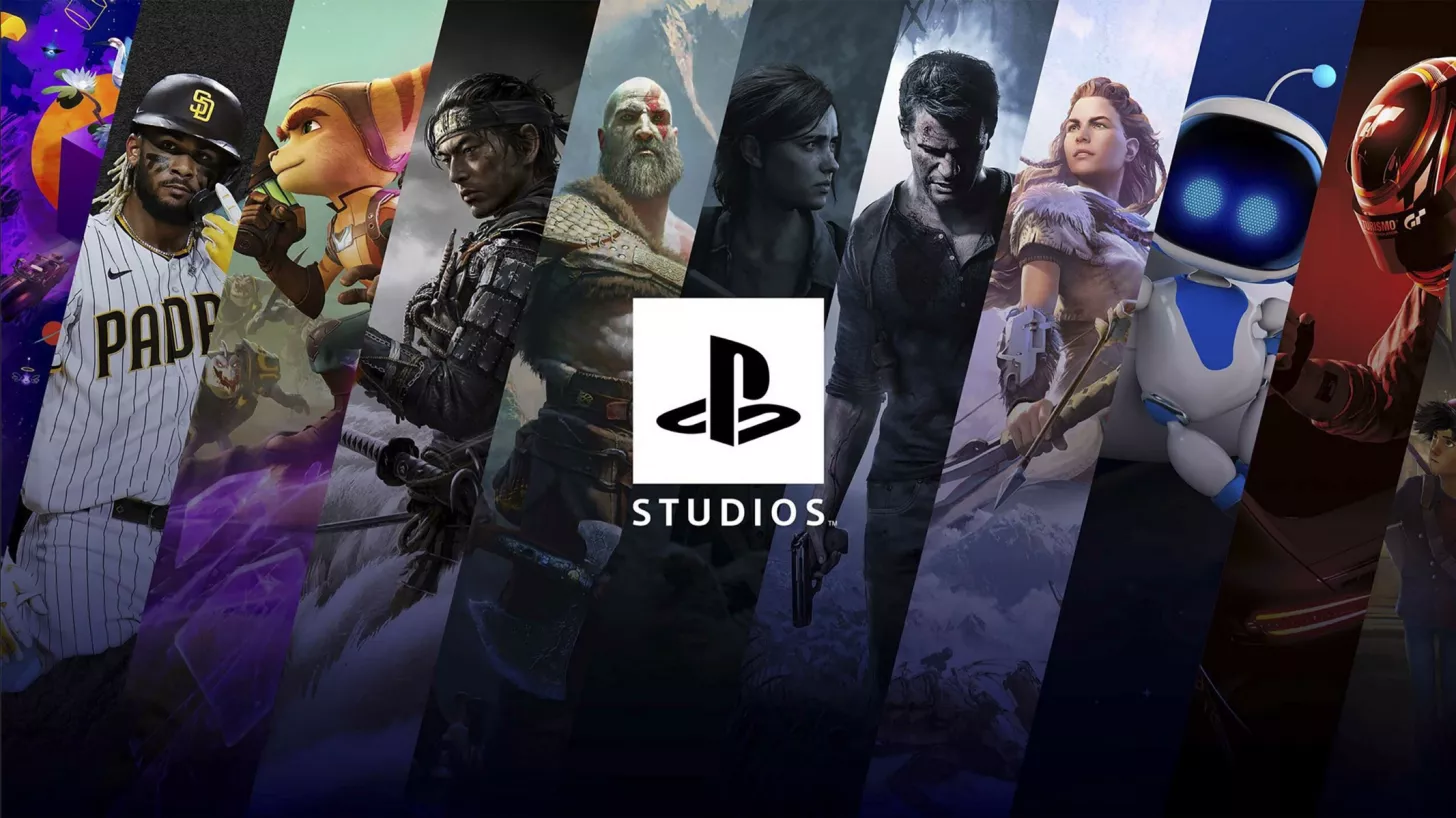
Sony’s latest innovation could change the way we experience video games, sparking a lively discussion among gaming enthusiasts. The company’s newly filed patent introduces an AI-driven “Ghost Player,” potentially allowing games to play themselves when players encounter challenging sections. While some players crave a hands-free gaming experience, others question the point of this method, arguing it strips away the essence of gaming.
Unveiling the AI Ghost Player
Recent reports have revealed that the World Intellectual Property Organization published a patent filed by Sony, initially submitted in September 2024. This patent describes a “ghost player” appearing as an overlay to assist players stuck in certain game scenarios. The AI model processes these scenarios during live gameplay and provides a ghost character with control inputs to guide players through difficult sections. The ghost character assists by offering visual cues on how to navigate the game’s challenges, helping players progress without direct intervention.
Game Modes and Player Experience
The patent outlines different modes for utilizing this AI technology. A ‘Guide Mode’ would help solve tricky puzzles in titles like Uncharted or God of War, while ‘Complete Mode’ handles the task entirely, allowing players to bypass challenging sections. Sony’s existing PS5 features, such as Tips and Game Help, already offer similar assistance, providing detailed hints when developers include them in their games. However, this new AI concept raises questions about player agency and whether it diminishes the gaming experience.
Community Reactions and Future Prospects
The gaming community’s response to AI assistance has been mixed. Many players express frustration when NPC allies reveal puzzle solutions prematurely, fearing the ghost player might overstep similar boundaries. Though this patent may never materialize, it recalls Microsoft’s recent introduction of Gaming Copilot, which faced skepticism about AI’s role in gaming. Ultimately, while some gamers may appreciate these AI-driven features, others prefer the sense of achievement that comes from overcoming challenges on their own.