

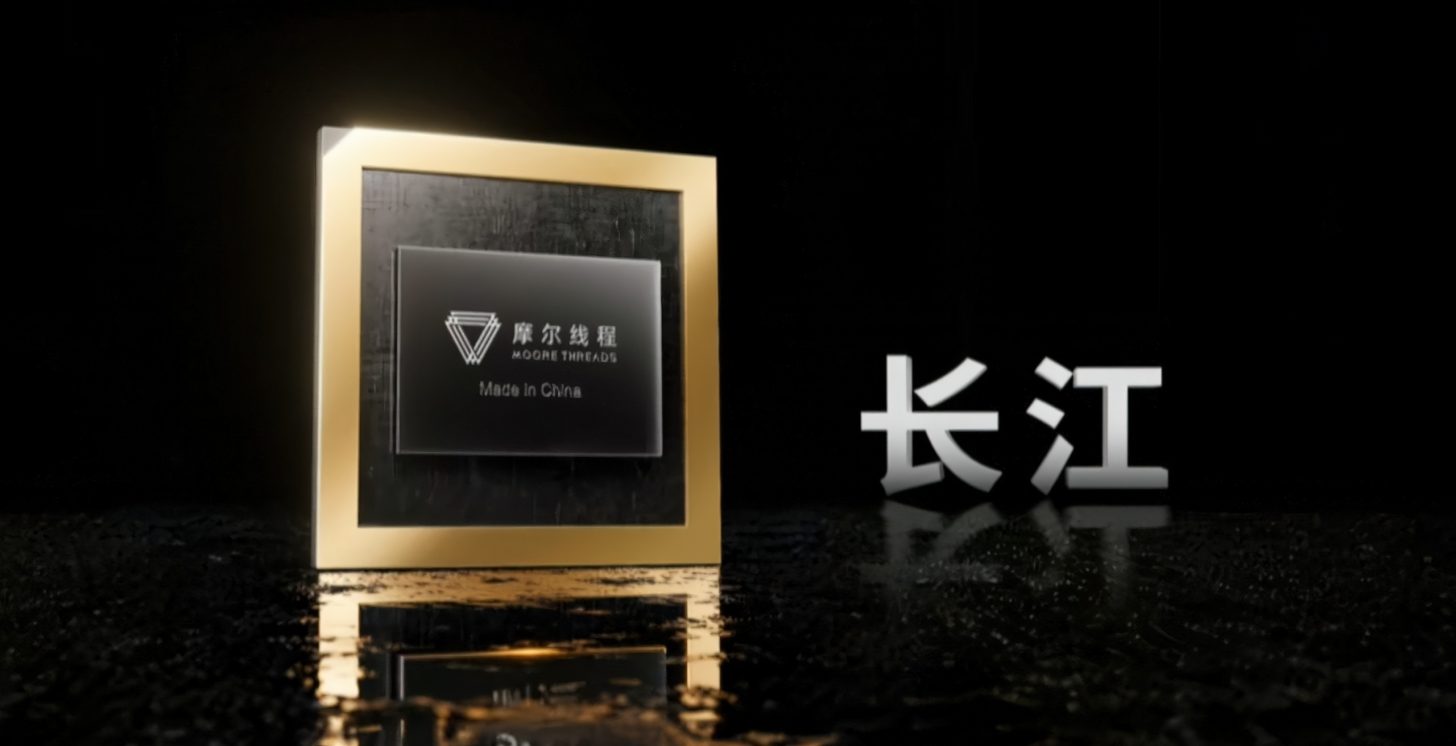
Moore Threads has stepped into the AI PC arena with its new Yangtze SoC. This innovative chip features 8 cores and high-performance NPU capabilities, designed to power the evolving AI PC ecosystem. The Yangtze SoC is already making its debut in the Chinese market, triggering excitement among tech enthusiasts and industry specialists.
Introducing the Yangtze SoC
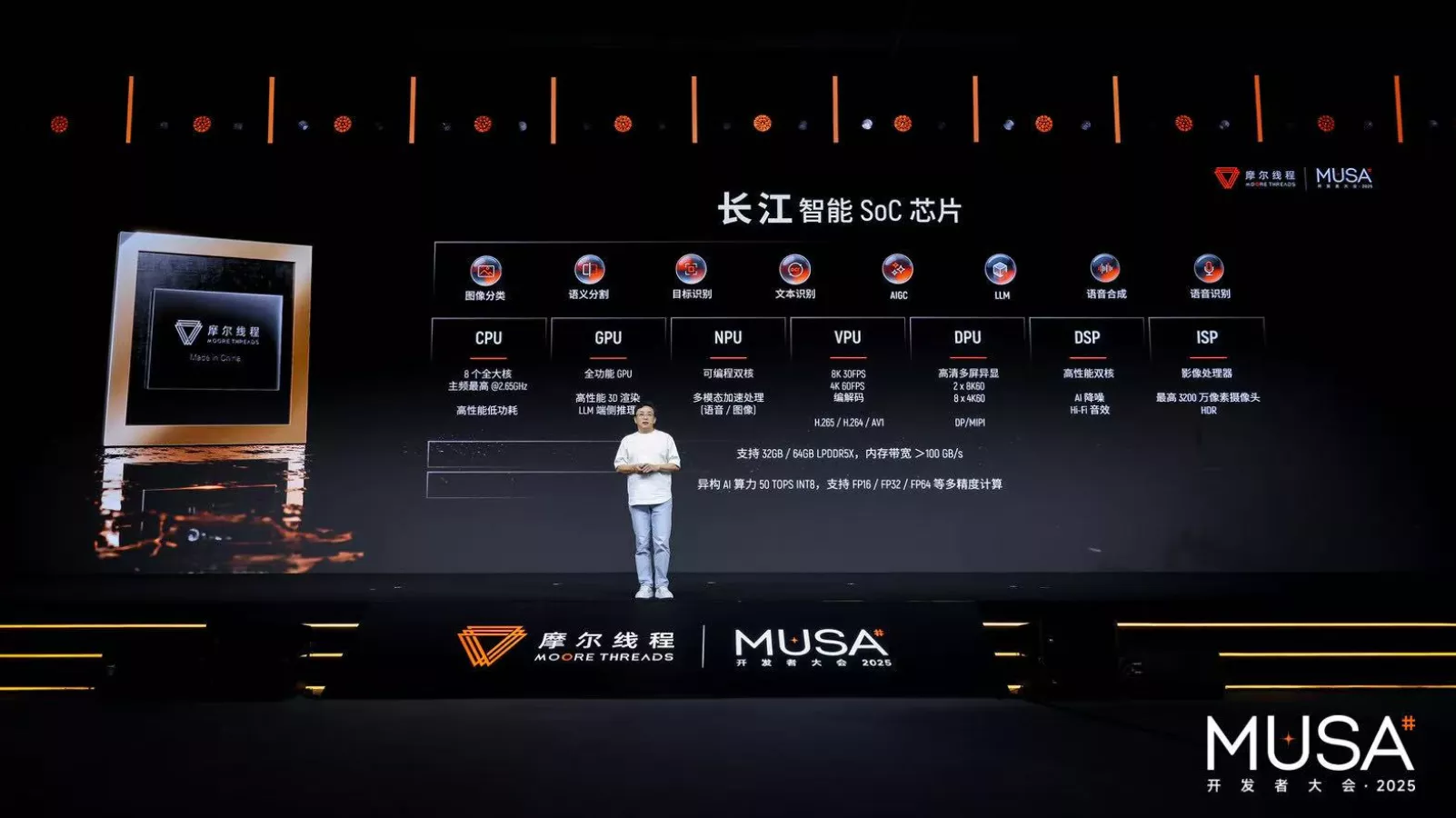
Alongside its cutting-edge GPU technologies, Moore Threads has unveiled the Yangtze SoC, crafted to support AI-driven PCs. While details about its internal architecture remain under wraps, the chip is confirmed to host 8 cores with a peak speed of 2.65 GHz. Despite being a moderate frequency compared to today’s standards, the SoC prioritizes comprehensive integration over sheer clock speed.
The Yangtze SoC’s standout features:
- 8 Core CPU
- 2.65 GHz Boost Clock
- Integrated GPU Based on High-End IP
- 50 TOPS NPU
- H.265/H.264/AV1 Support
- Targeted at AI PC Segment
One of the highlights of the Yangtze SoC is its 50 TOPS (INT8) NPU, which comes in a multi-core neural processor package, designed for speech/image recognition. The chip’s iGPU is engineered for top-tier 3D rendering, with additional support for LLM acceleration and video coding capabilities. The media engine accommodates 8K @ 30 FPS, 4K @ 60 FPS, while supporting a variety of formats including H.265, H.264, and AV1.
Next-Gen AI Devices
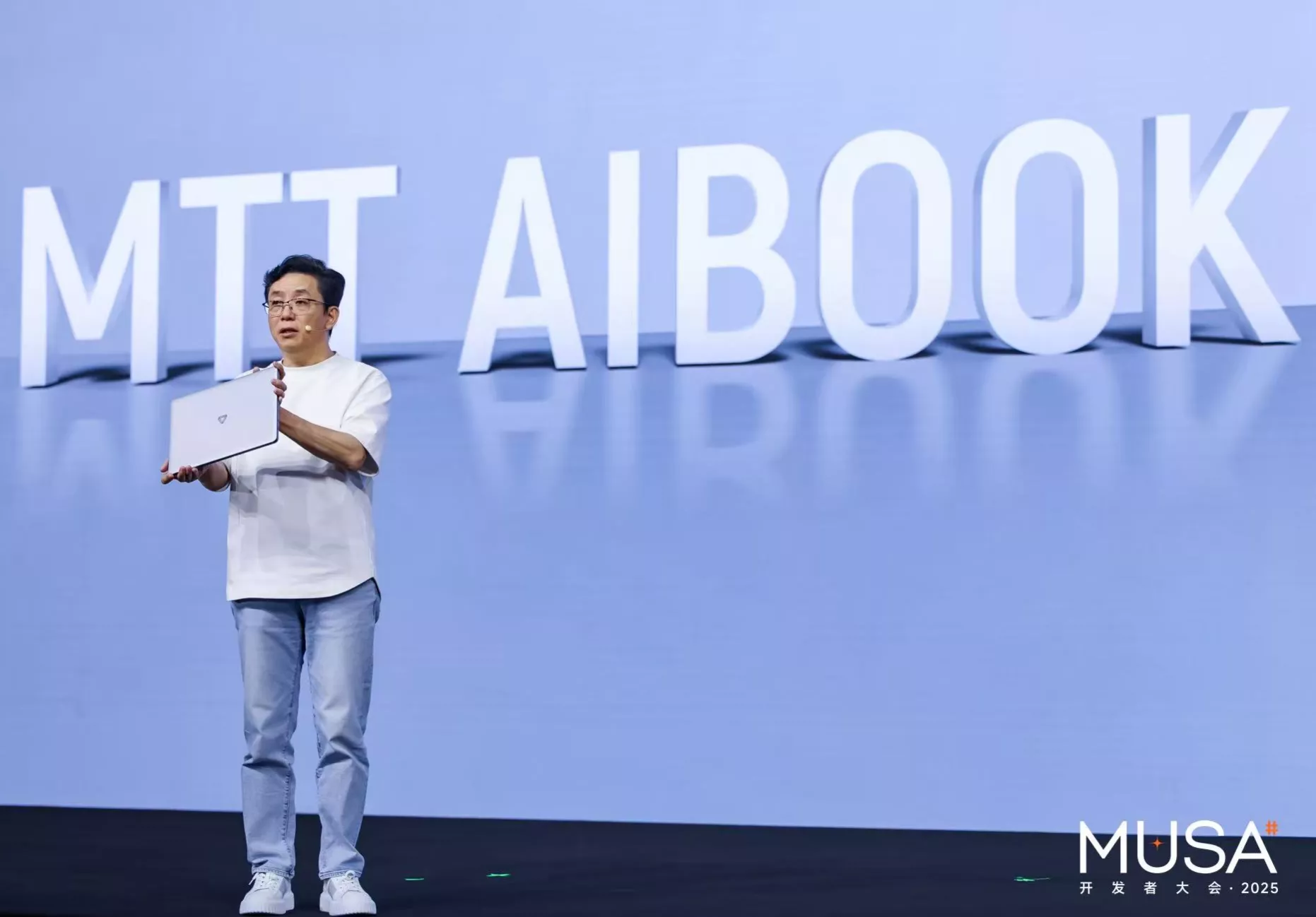
Moore Threads is not just about chips but entire systems. Introducing the MTT AIBook laptop and the MTT AICube Mini PC, these devices feature up to 64 GB of LPDDR5X memory, delivering over 100 GB/s bandwidth. Potential applications for the Yangtze SoC extend to AI PCs, AI NAS, and AI smart home solutions.
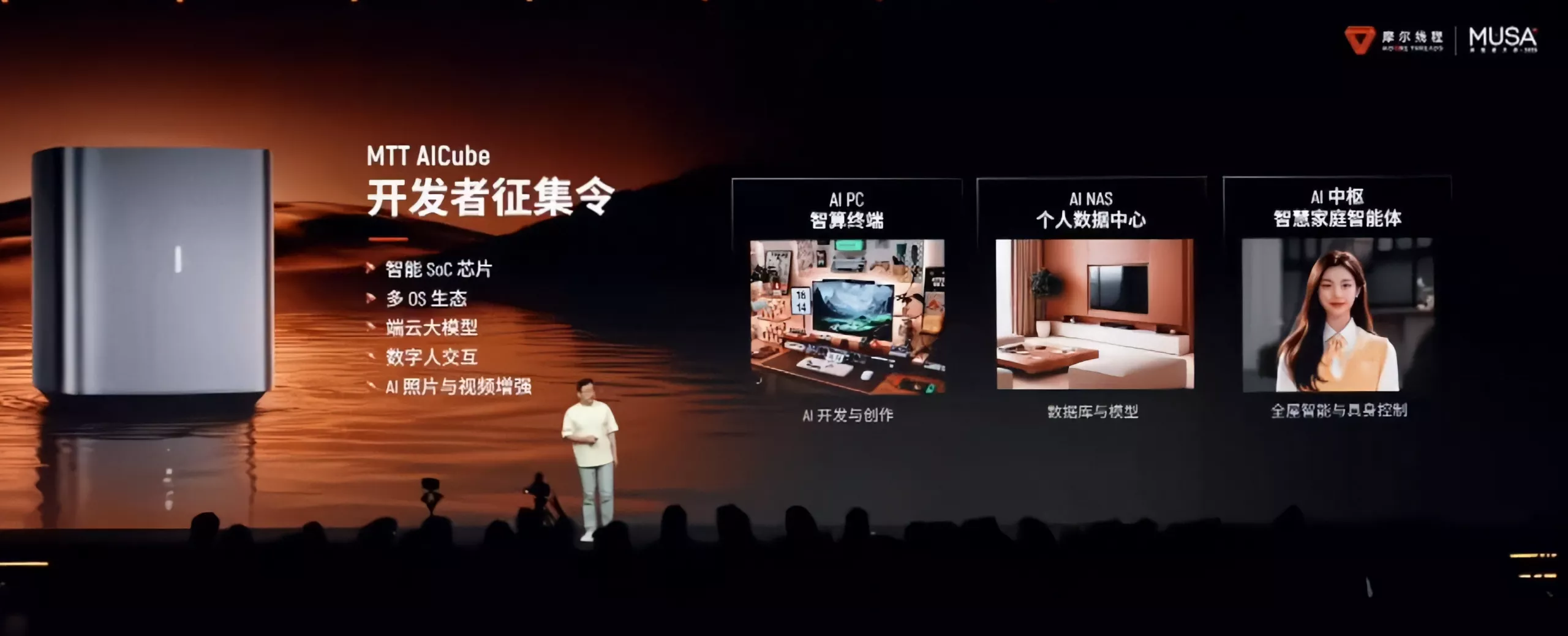
These platforms promise to bolster China’s position in the AI PC market, offering alternatives in a landscape currently dominated by global tech giants. With support for FP16, FP32, and FP64 compute formats, the Moore Threads’ Yangtze SoC is set to take on the competition from Intel, AMD, Qualcomm, Apple, and NVIDIA.