

The world of NVMe SSDs is buzzing with excitement as recent developments hint at a significant performance boost for users of Windows 11. Traditionally, the regular Windows operating systems, including Windows 10 and 11, have been underperforming when it comes to NVMe SSDs due to the use of a SCSI emulation layer. This layer, although aiding compatibility, adds unwanted CPU overhead and latency, resulting in less than optimal speeds. Now, with the introduction of a “native” NVMe driver for Windows Server 2025, enthusiasts have found a way to harness this power on Windows 11, leading to noticeable improvements.
Unlocking the Power of NVMe on Windows 11
Windows Server 2025 has debuted with a new native NVMe driver, sparking interest among tech-savvy users. By making specific registry changes, some have successfully enabled this driver on Windows 11. The results are impressive, with one user on X reporting a 9%/19% boost in average Read/Write speeds in the AS SSD benchmark. 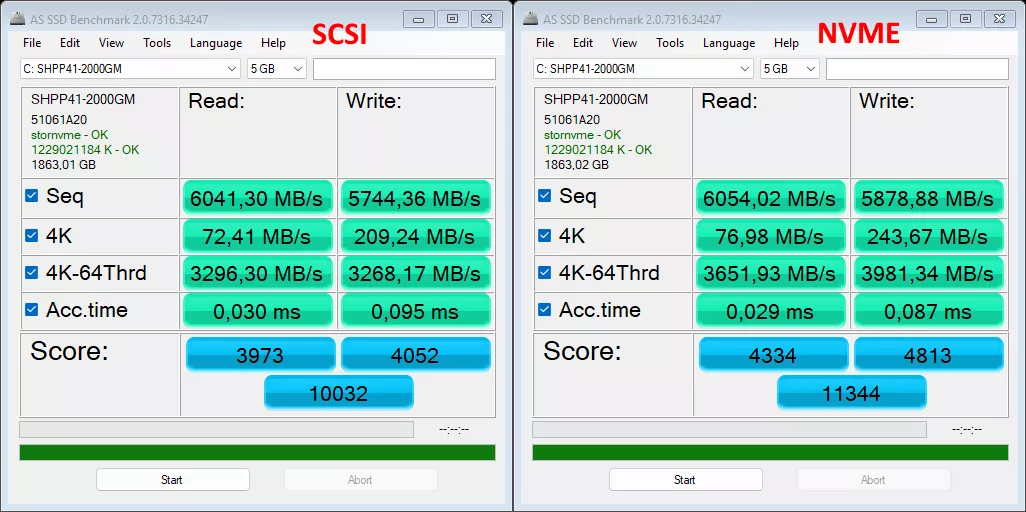
The gains are particularly evident in random read/write speeds, which are essential for everyday tasks.
A Closer Look at Benchmark Results
The improved performance is further corroborated by a Reddit user, u/Cheetah2kkk, who tested the driver on the MSI Claw 8 AI+ handheld. Using CrystalDiskMark 8.0.4, the user recorded random read/write speed improvements ranging from 4%-11%/7%-85%.

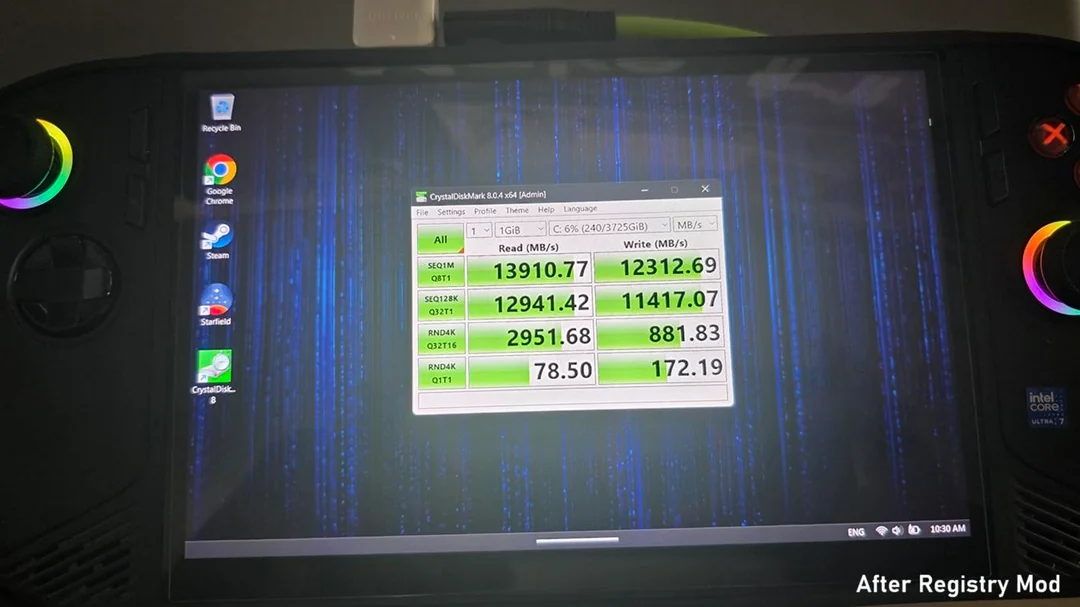
However, the process is not without challenges—some users have faced issues, such as drive inaccessibility, making it a risky endeavor for the average consumer.
Looking Ahead: The Call for Mainstream Adoption
While the potential for significant performance gains is undeniable, the current method of enabling the native NVMe driver involves complex steps that may not be suitable for everyone. A staggering 85% improvement in certain scenarios is impressive, but the risk of bugs and other issues might deter many. It’s high time for Microsoft to expedite the release of the native NVMe driver across all consumer versions of Windows, allowing NVMe SSDs to finally operate at their full potential.