
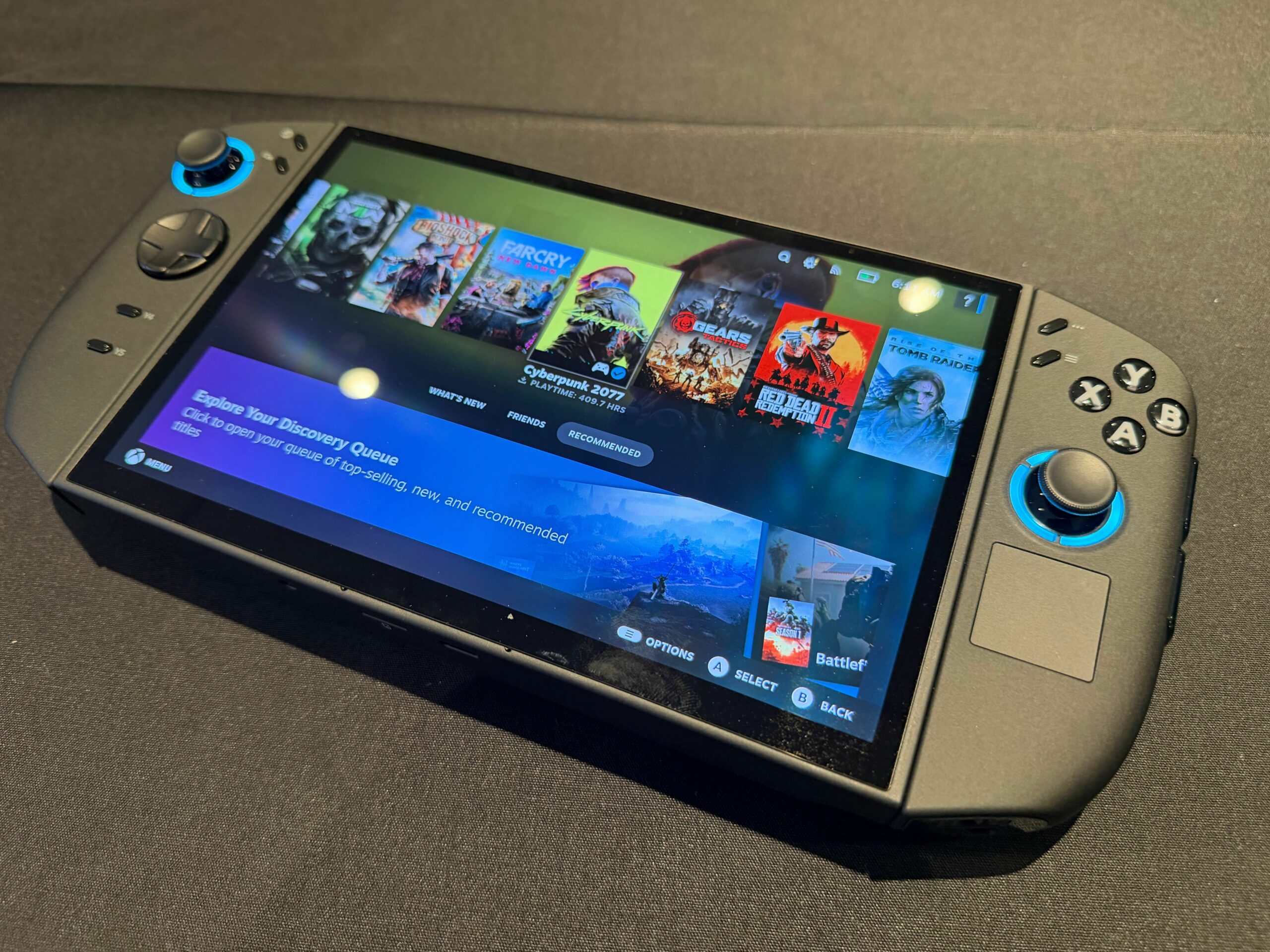
Lenovo is making waves at CES 2026 with the announcement of the Lenovo Legion Go 2, now featuring SteamOS. Released initially in September 2025, the Legion Go 2 was celebrated as a top-tier handheld gaming PC but was somewhat hindered by Windows 11. With this latest update, Lenovo aims to enhance the user experience significantly.
Enhanced Performance with SteamOS
The Lenovo Legion Go 2 equipped with SteamOS maintains its powerful AMD Ryzen Z2 Extreme chip, up to 32GB of RAM, and a 2TB SSD. Notable changes include reconfigured menu buttons, aligning it more closely with devices like the Steam Deck and the Legion Go S. The key difference, however, is the integration of SteamOS, which is optimized to fully leverage the device’s hardware.
Current Legion Go 2 users have the option to install SteamOS themselves but must navigate the complex process of installing Linux. With the new model, SteamOS is pre-installed, eliminating the need for Windows. Lenovo asserts that the operating system is fine-tuned for optimal hardware performance, promising enhancements akin to those seen with the Legion Go S released in June 2025.
While Lenovo has yet to announce an official release date for the Legion Go 2 with SteamOS, it has revealed a starting price of $1,199, which is $100 more than its predecessor. This price hike, despite avoiding Windows licensing fees, is under scrutiny as the market awaits further details on the device’s configuration. The rising cost of components like RAM may impact pricing strategies.
Embracing Linux for Gaming
The Lenovo Legion Go 2, similar to other handheld gaming PCs, experienced limitations due to its software. Windows 11’s compatibility with controllers leaves much to be desired, and although the Xbox Full Screen Experience offers some improvements, SteamOS provides a superior gaming interface.
In an effort to enhance performance, many users have turned to Bazzite, a Linux distribution similar to SteamOS, to better support hardware. The Legion Go 2 has subsequently become a favorite among handheld enthusiasts. These Linux-based systems are currently leading handheld gaming innovations, and until Microsoft’s Full Screen Experience meets expectations, SteamOS remains a preferred choice for manufacturers. Lenovo’s success with the Legion Go S highlights this trend, setting a potential precedent for others to follow.