

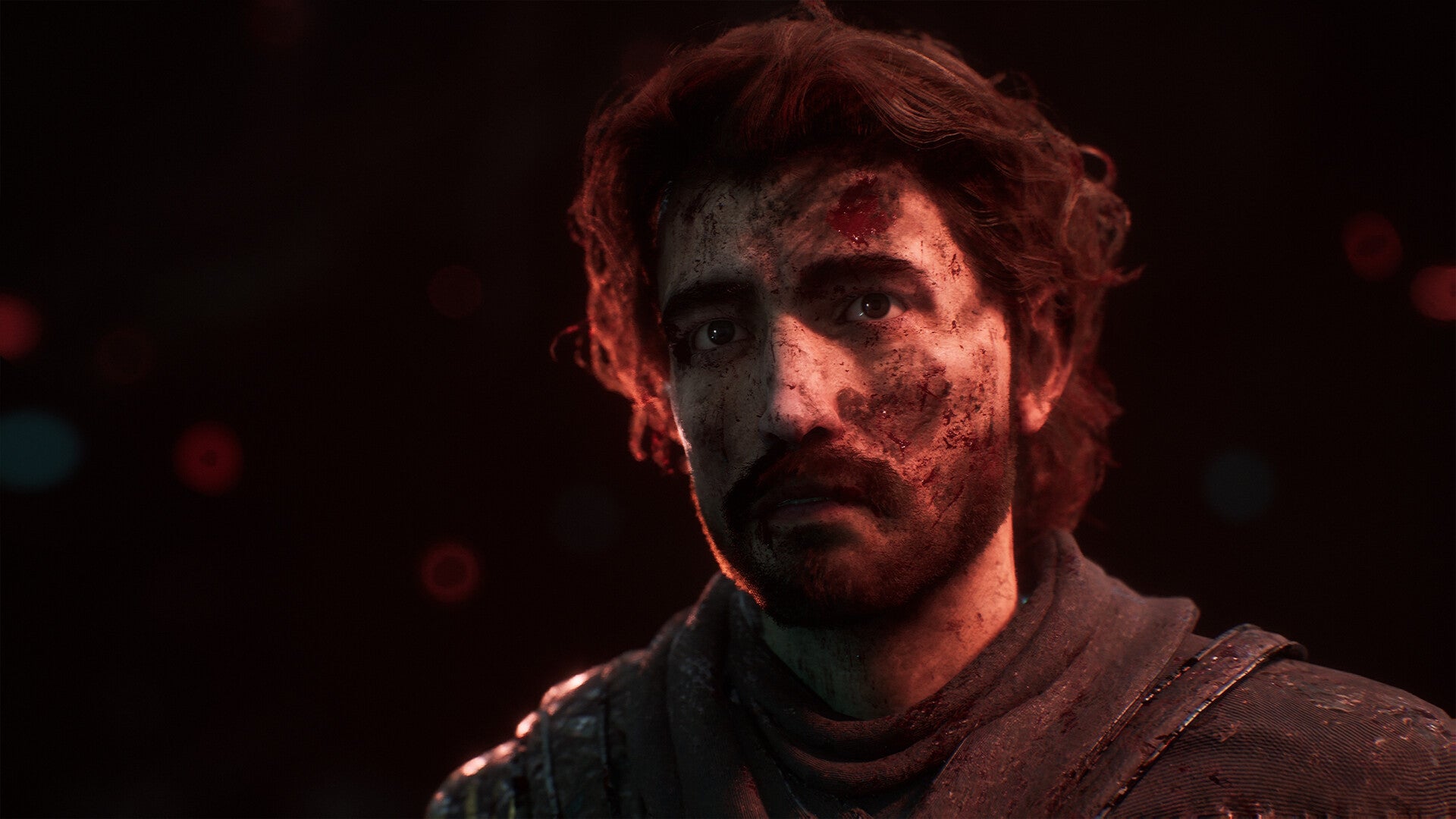
The gaming world is abuzz with controversy as the celebrated game Clair Obscur: Expedition 33, which recently snagged the Game of the Year award at The Game Awards 2025, sees its triumph marred by scandal. The role-playing game has been stripped of two prestigious honors from the Indie Game Awards due to its use of generative AI in development.
Generative AI Sparks Controversy
Developed by Sandfall Interactive, Clair Obscur: Expedition 33 initially included placeholder textures created with generative AI, which were patched out shortly after release. This went unnoticed until statements from François Meurisse, co-founder of Sandfall, brought the issue back into the spotlight. Meurisse highlighted the use of AI as a minimal yet transformative tool, emphasizing the role of Unreal Engine 5 in enhancing the game’s graphics and gameplay.
Reports suggest that Meurisse’s comments came to light amidst a heated debate over AI in gaming, exemplified by Larian’s recent announcement and subsequent backlash for their game, Divinity. Larian’s use of AI for concept development and placeholder content has also been under scrutiny, leading to a promise of an upcoming AMA to address fan concerns.
Indie Game Awards Retraction
In a significant reversal, the Indie Game Awards withdrew both Game of the Year and Debut Game awards from Clair Obscur. The decision stemmed from Sandfall Interactive’s initial agreement that no generative AI would be utilized in its creation, a commitment breached by the developer’s admission of AI use. As a result, the honors were reassigned to Sorry We’re Closed for Debut Game and Blue Prince for Game of the Year.
Sandfall Interactive has since clarified its position, stating that while early development included AI-generated placeholders, these were quickly replaced with intended textures. Moreover, the studio asserts no AI-created assets are present in the final game.
Industry-Wide Impact
The use of generative AI in gaming remains a polarizing topic. Major industry players like EA and Square Enix are increasingly integrating AI into their processes, albeit not without facing similar controversies. As the debate intensifies, some developers advocate for transparency in AI usage, while others, like Epic Games’ Tim Sweeney, call for reduced disclosure requirements on platforms such as Steam. This ongoing dialogue reflects the wider industry’s struggle to balance technological advancement with creative integrity.