

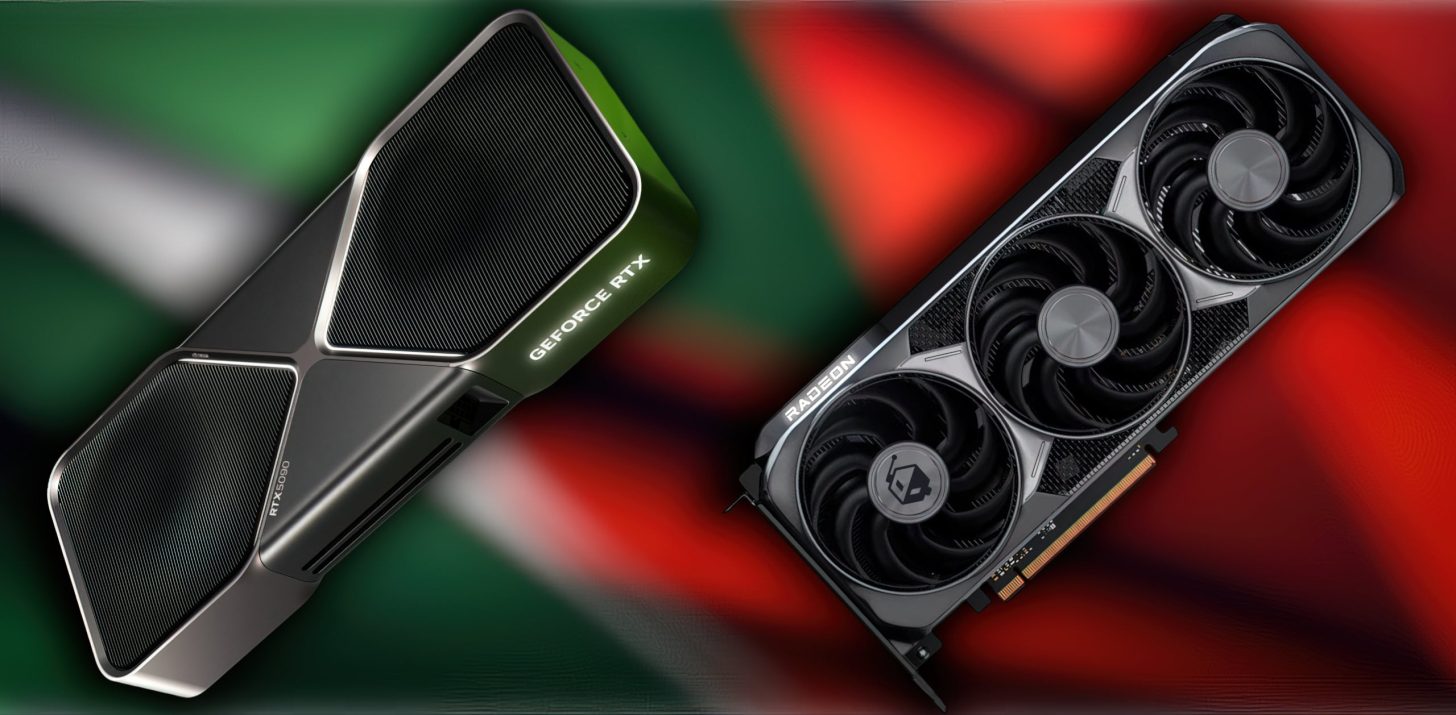
NVIDIA and AMD are anticipated to introduce significant price increases in the GPU market. With forecasts suggesting that the flagship RTX 5090 could reach staggering prices of up to $5000, the impact on the gaming PC landscape could be substantial. These changes are expected to affect a wide range of consumer graphics cards, making it a turbulent period for gamers and tech enthusiasts alike.
Price Surge for GeForce RTX 5090 and Beyond
Recent reports indicate that both AMD and NVIDIA are gearing up for a substantial rise in GPU prices in the near future. Industry predictions point to the first quarter of 2026 for these adjustments, with expectations of further complexity in the pricing strategies for a variety of consumer GPUs. Sources highlight that increasing DRAM costs are a significant factor driving these price hikes, affecting both consumer and data center GPUs. AMD is projected to implement these changes as early as January 2026, followed by NVIDIA in February 2026.

Both AMD’s Radeon RX 9000 “RDNA 4” and NVIDIA’s RTX 50 “Blackwell” series will be subject to these hikes, with incremental increases anticipated to occur monthly starting from early 2026. The flagship GeForce RTX 5090, initially priced at $2000, is poised for a dramatic rise to $5000, marking a 2.5x increase from its original MSRP.
The anticipated price leap for NVIDIA’s GeForce RTX 5090 to $5000 signifies a 2.5x rise from its initial launch price.
Market Dynamics and AI Influence
Despite recent price drops thanks to holiday promotions, the GPU market is bracing for a shake-up. Industry insiders note an 80% surge in GPU manufacturing costs driven largely by memory expenses. Meanwhile, production of the GeForce RTX 5060 Ti and RTX 5070 remains stable, although a significant portion of the supply is redirected to Asian markets where custom AI solutions are being developed. These customized GPUs are gaining traction as factories repurpose them for AI applications, further complicating the consumer GPU market.
Moreover, reports reveal the emergence of double VRAM “32 GB AI” variants for NVIDIA’s RTX 4080 and RTX 5080, targeting the AI sector. As these trends unfold, many anticipate that 2026 could be a challenging year for gamers and PC builders looking for upgrades.