

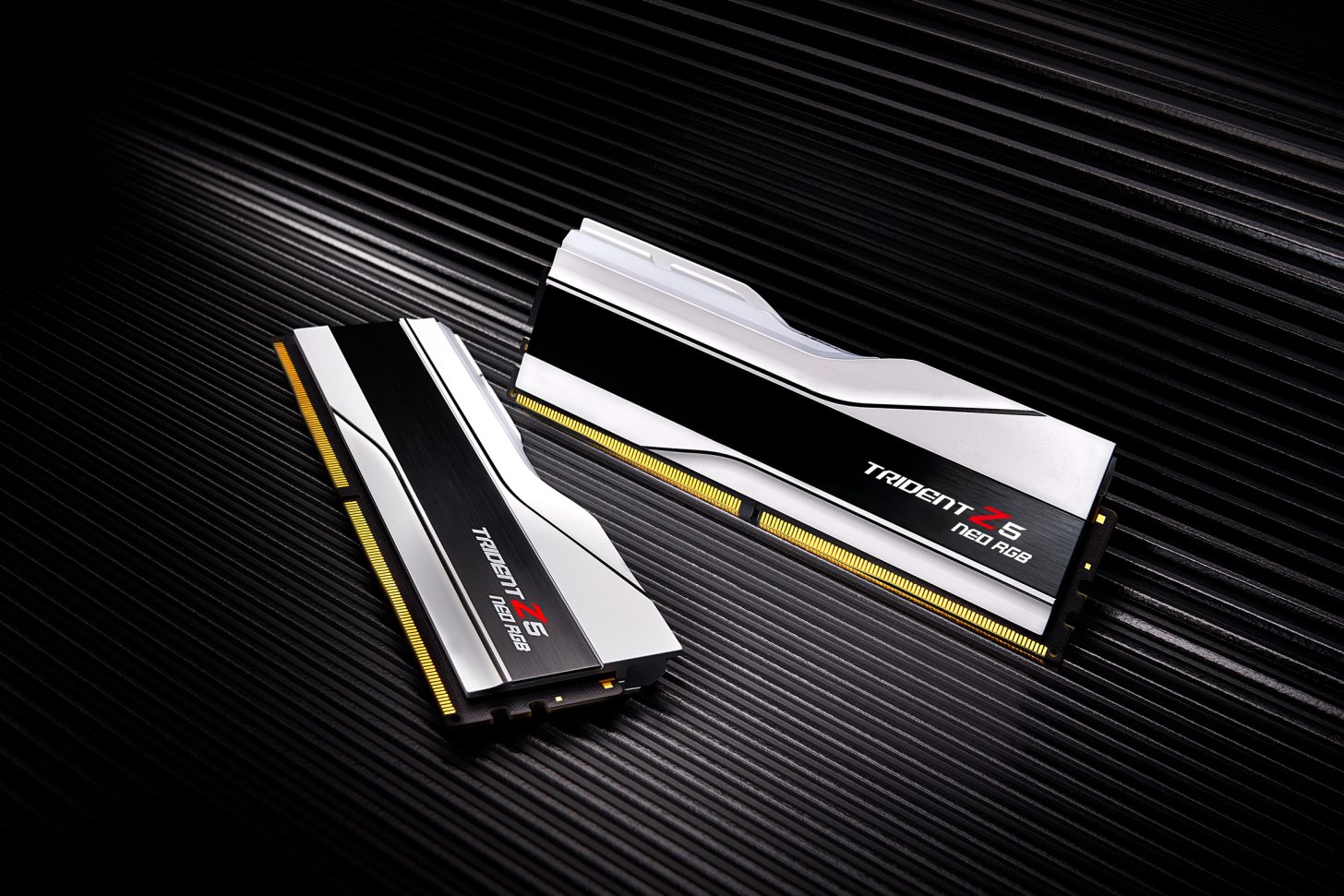
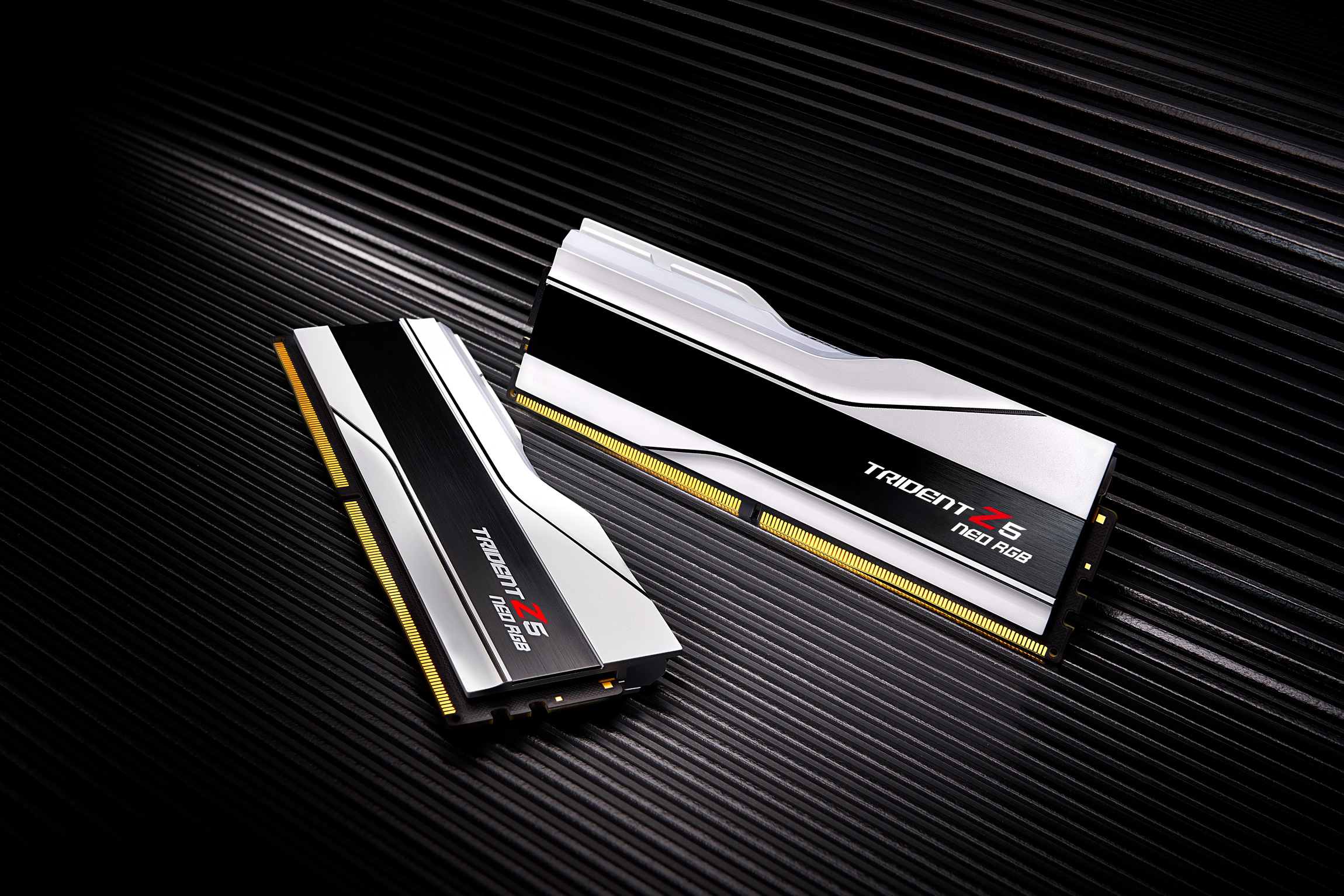
The recent spike in DRAM prices has caught the attention of tech enthusiasts and industry experts alike. A significant player in the memory market, G.Skill, has provided some insights into the situation. The rising costs of DRAM, particularly DDR5, are being felt worldwide, with prices tripling or even quadrupling in various regions. This surge is making it increasingly challenging to build PCs, and GPUs are rumored to be the next casualty of these memory shortages.
AI Demand and Supply Challenges Drive Price Surge
G.Skill, a leading memory manufacturer, has released a statement addressing the recent price hikes. The company attributes the increase to severe global supply constraints and unprecedented demand from the AI sector. This surge in demand has led to a rise in G.Skill’s procurement and sourcing costs, which is in turn affecting their pricing strategy. The company advises buyers to be cautious and evaluate pricing before making a purchase.
Q. Why has G.SKILL DRAM memory prices increased so much recently (since 2025 Q4)?
DRAM prices are experiencing significant industry-wide volatility, due to severe global supply constraints and shortages, driven by unprecedented high demand from the AI industry.
As a result, G.SKILL procurement and sourcing costs have substantially increased. G.SKILL pricing reflect industry-wide component cost increases from IC suppliers and is subject to change without notice based on market conditions.
Purchasers should be mindful of the pricing before purchasing. Thank you.
– G.Skill
Future Outlook and Market Volatility
G.Skill highlights that the ongoing supply constraints, especially for chips used in high-performance computing and servers, have forced suppliers to elevate prices, creating a turbulent DRAM market. Industry analysts predict that these elevated prices are likely to persist through 2026-2028. This volatility has left the mainstream PC market in an unpredictable state, with DDR5 RAM kits sometimes costing as much as high-end GPUs. G.Skill points to the surge in AI workloads as a key factor in the increased procurement costs.
As prices remain high, G.Skill suggests that consumers be cautious. Although some sources predict stabilization within the next 6-8 months, a complete return to previous price levels may take much longer.