
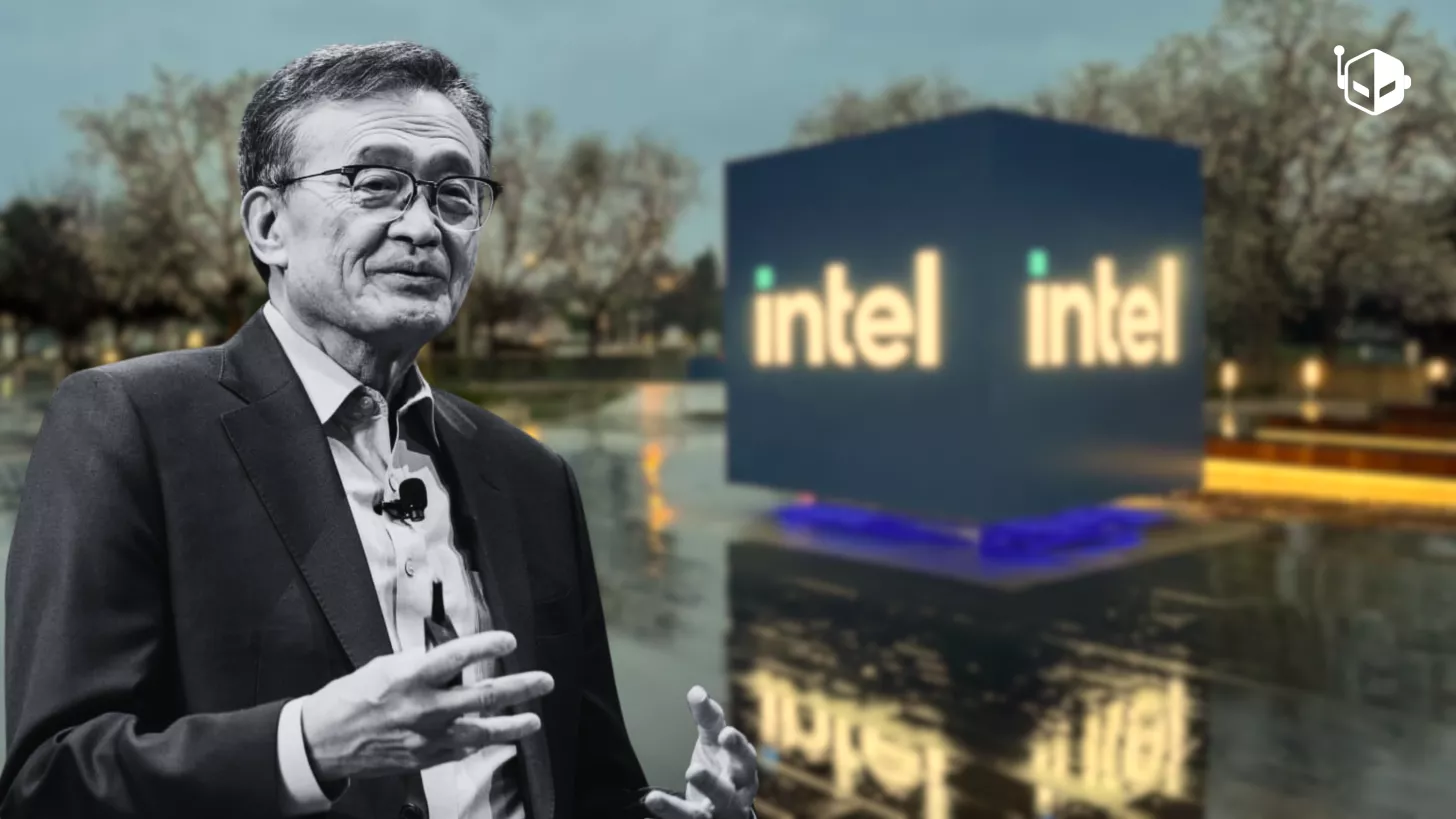
Intel’s journey in the semiconductor industry continues to draw attention as it balances dual roles of being a competitor and a partner. This duality, according to former board member David Yoffie, poses a challenge in attracting foundry customers. As Intel navigates these complexities, the company’s strategic decisions remain pivotal to its future success.
Navigating the Complexities of Foundry Partnerships
Intel experienced a stabilizing period under Lip-Bu Tan following the departure of Pat Gelsinger. Despite pressure to spin off its foundry business, Tan chose to maintain its integration, confident in rejuvenating the semiconductor division’s momentum. Reports suggest growing interest in Intel’s 14A and 18A chips, with Yoffie advocating for a clear separation between product and foundry operations to ensure success. This separation could alleviate concerns from companies like NVIDIA and AMD about sharing their proprietary technologies within Intel’s manufacturing ecosystem.
If I’m NVIDIA or AMD or Qualcomm, do you really want to put your secret sauce into a manufacturing operation where you’re giving Intel access to that secret sauce? And that’s going to constrain their willingness to give them very high volume. The breakup of foundry and product business is one potential solution that Yoffie wants the board to consider.
If you actually separated the two, I think you’d give Intel a much better shot at being successful.
– David Yoffie via CNBC
Steps Toward an Independent Foundry Entity
Recent insights indicate that companies like NVIDIA and AMD are considering Intel Foundry due to TSMC’s capacity limitations and the desire for U.S.-based manufacturing. However, concerns over potential ‘technology transfer’ issues prompt the argument for a foundry spin-off. Despite these challenges, Intel Foundry is actively moving towards independence, with steps such as establishing its advisory board. Intel’s VP John Pitzer has articulated the company’s strategy to create more separation within the business, which could enhance attractiveness to external customers.
Yes. Listen, we’re clearly taking steps to create that optionality, right? And a lot of that is being driven by engagements with external customers who would like to see more separation between the Foundry business and the rest of the company. And so we’ve got an advisory board today for Intel Foundry. We’re moving that into its own legal entity. And so we continue to move down that path to give ourselves that optionality.
– Intel’s VP John Pitzer
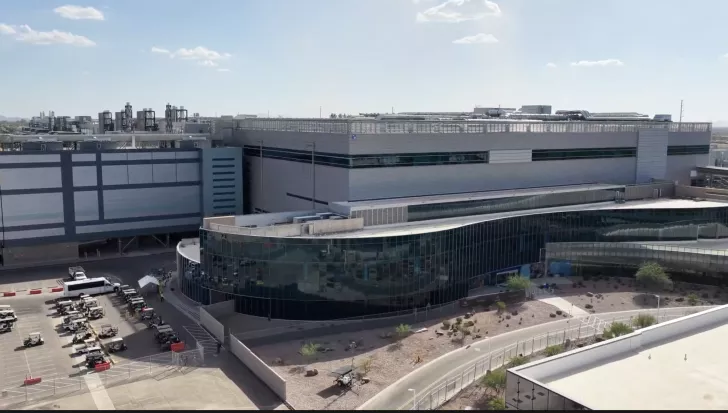
Looking forward, the evolution of Intel Foundry is one to watch as it approaches mass production of 18A and next-gen 14A chips. These advancements are critical for the foundry’s future, potentially reshaping Intel’s role in the global semiconductor landscape.