
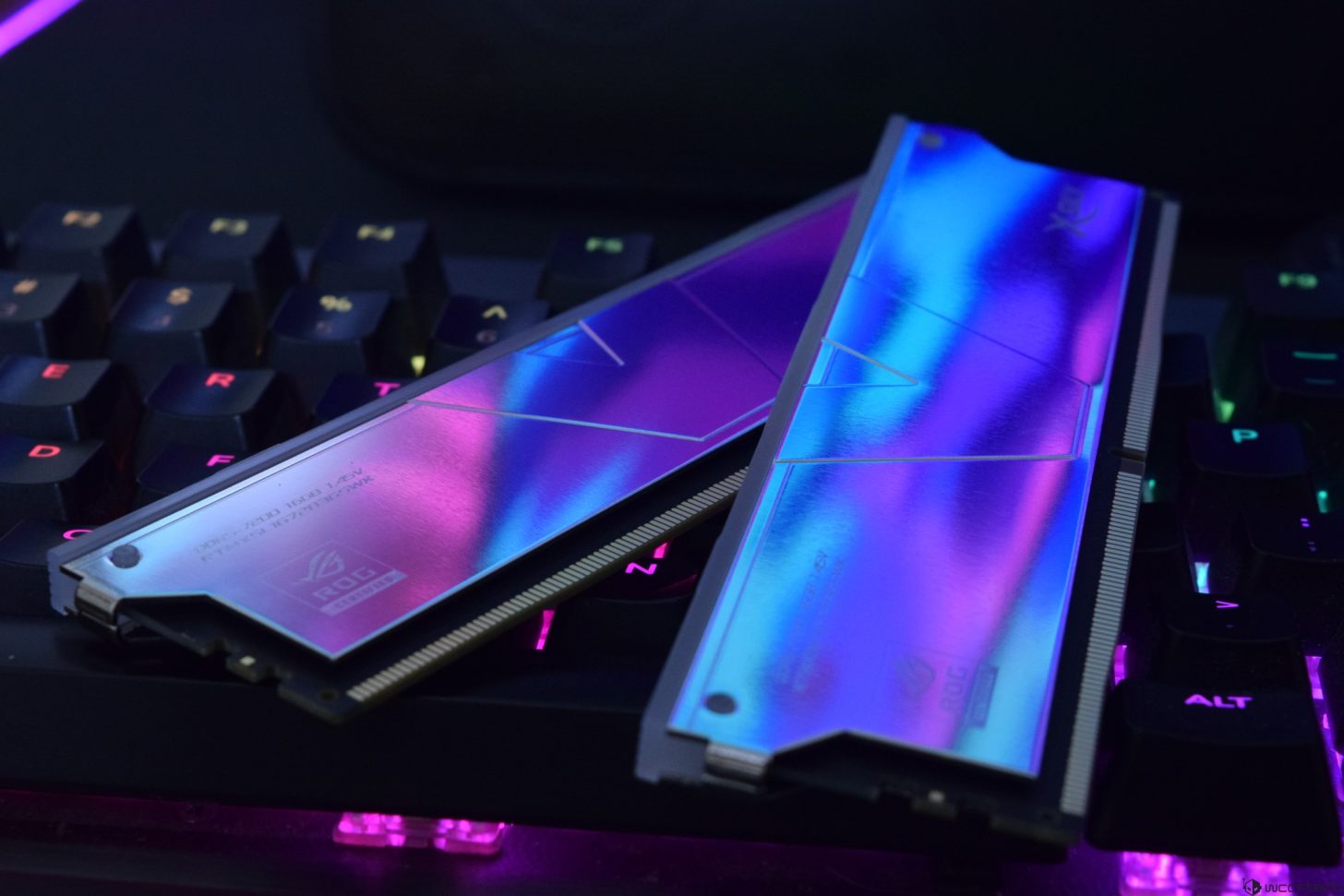
In a surprising turn of events, the demand for DDR4 memory has surged, compelling Samsung to rethink its previous plans to phase out this technology. This shift is largely driven by ongoing memory shortages that are affecting the tech industry, particularly the AI sector, which is hungry for more processing power.
Samsung’s Strategic Move in DDR4 Production
The current memory supply crisis has greatly impacted the production capabilities of manufacturers, creating significant bottlenecks. As a result, companies like Samsung, SK hynix, and Micron are taking drastic measures to address the situation. Reports suggest that Samsung intends to extend the lifespan of DDR4 memory production as prices soar, focusing on server-grade clients instead of consumer markets.
Samsung Electronics will slow down the pace of DDR4 end-of-life (EOL) production in the fourth quarter of 2025 and will sign long-term supply contracts with specific customers in the first quarter of 2026, with fixed supply conditions that “cannot be cancelled or changed.
Samsung reportedly plans to implement “Non-Cancellable and Non-Returnable” contracts, ensuring steady demand for both DDR5 and DDR4 products without the risk of clients shifting preferences. The locked-in pricing will shield Samsung from market fluctuations. Remarkably, although DDR4 was on the brink of discontinuation, the sudden spike in demand has necessitated the continuation of its production.

Implications for Consumers
For end-users, DDR4 memory has been a cost-effective choice during these shortages, but this may soon change. The rising interest in DDR4 is mirrored by the increasing popularity of AMD’s AM4 platform, as consumers rush to enhance or assemble new systems. The DRAM supply chain situation doesn’t look to improve anytime soon, and it appears that manufacturers like Samsung won’t give much attention to the consumer markets at all.