

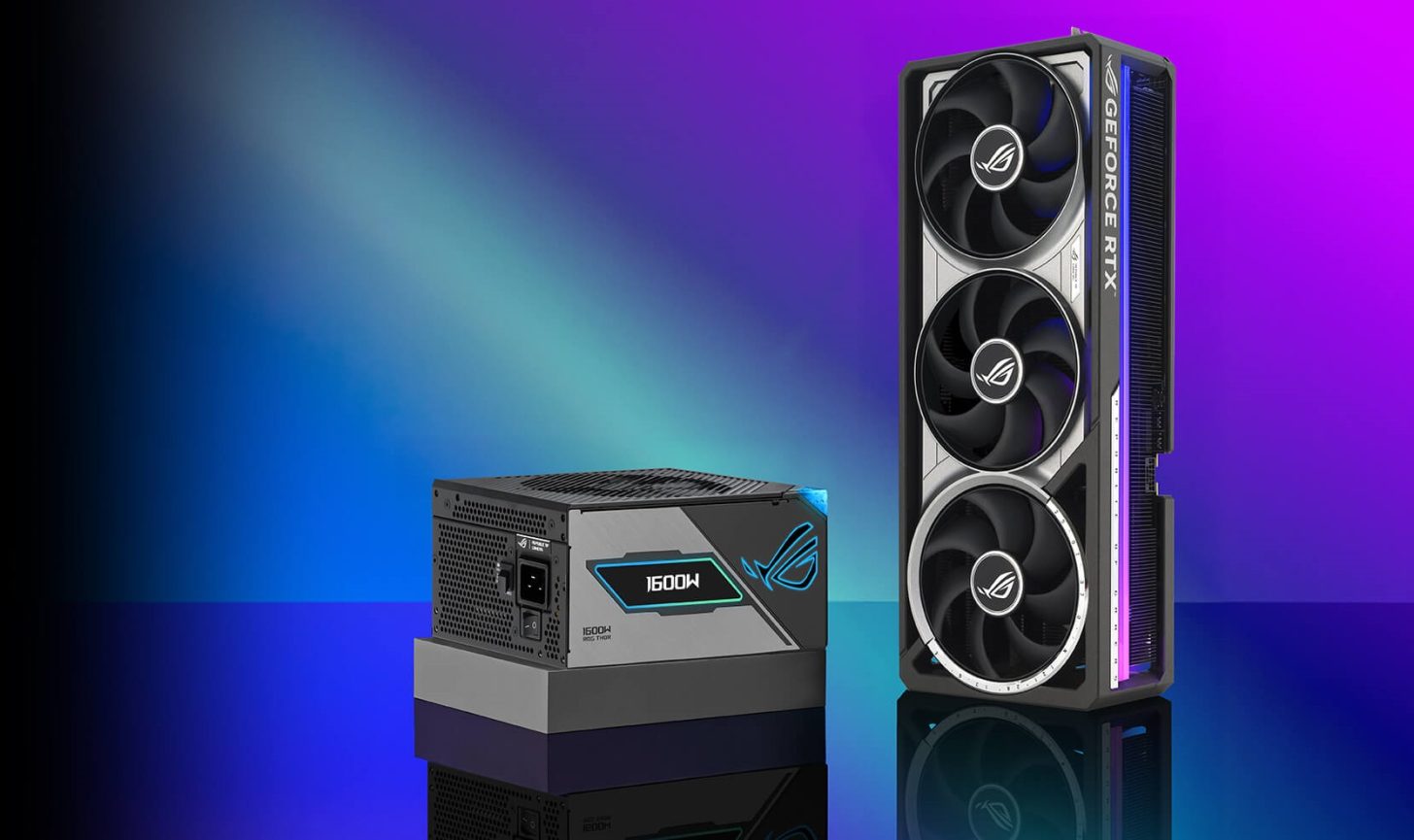
In the world of high-performance gaming hardware, enthusiasts continually push the boundaries to achieve peak performance. Recently, a new development has garnered attention: the leaked RTX 5090 2000W XOC BIOS. This overclocking tool has enabled users to extract exceptional performance from their graphics cards, although it comes with significant risks. The thrill of reaching new heights in benchmarks is irresistible for some, but caution is advised for those considering this path.
Breaking Performance Records with the RTX 5090 XOC BIOS
For those who believe 600W is insufficient for a GPU, the 2002W custom XOC BIOS offers a chance to explore new limits. Initially designed for the ASUS GeForce Astral RTX 5090 D GPU, this BIOS isn’t for the faint-hearted. Although no GPU is expected to consume the full 2000W, reports suggest that RTX 5090 models have drawn up to 1000W, delivering notable performance gains. In a previous instance, a user successfully flashed this BIOS onto a GIGABYTE AORUS Master RTX 5090, achieving nearly 900W power draw and a 10% performance boost.
The Enthusiast’s Playground: Risks and Rewards
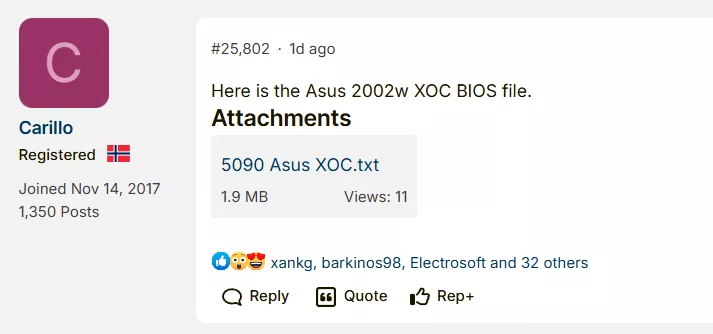
Recently leaked on an overclocking forum, the 2002W XOC BIOS allows adventurous users to experiment with power limits far beyond typical usage. Though originally intended for a discontinued Chinese RTX 5090 D Astral variant, this BIOS opens possibilities for pushing the RTX 5090 to its limits. Enthusiasts have achieved impressive results, with one user reaching a remarkable 18,173 points in 3DMark Steel Nomad DX12, placing them among the top 25 worldwide. Another user, Jayz, scored a close 18,186 points, earning the 20th spot. However, such feats come with inherent dangers, as pushing hardware to its limits can lead to severe consequences.

Proceed with Caution: The Potential Dangers
While the allure of enhanced performance is tempting, users should be aware of the potential hazards. The standard RTX 5090 GPU with a 600W limit already risks connector melting; increasing power to 2000W could lead to catastrophic failures, including the risk of fire. Extreme cooling measures, such as water-cooling cables, are advisable for those attempting such modifications. However, the question remains whether the marginal gains justify the increased power consumption and risk. For most, even the ASUS Matrix 800W BIOS might be more than sufficient.