

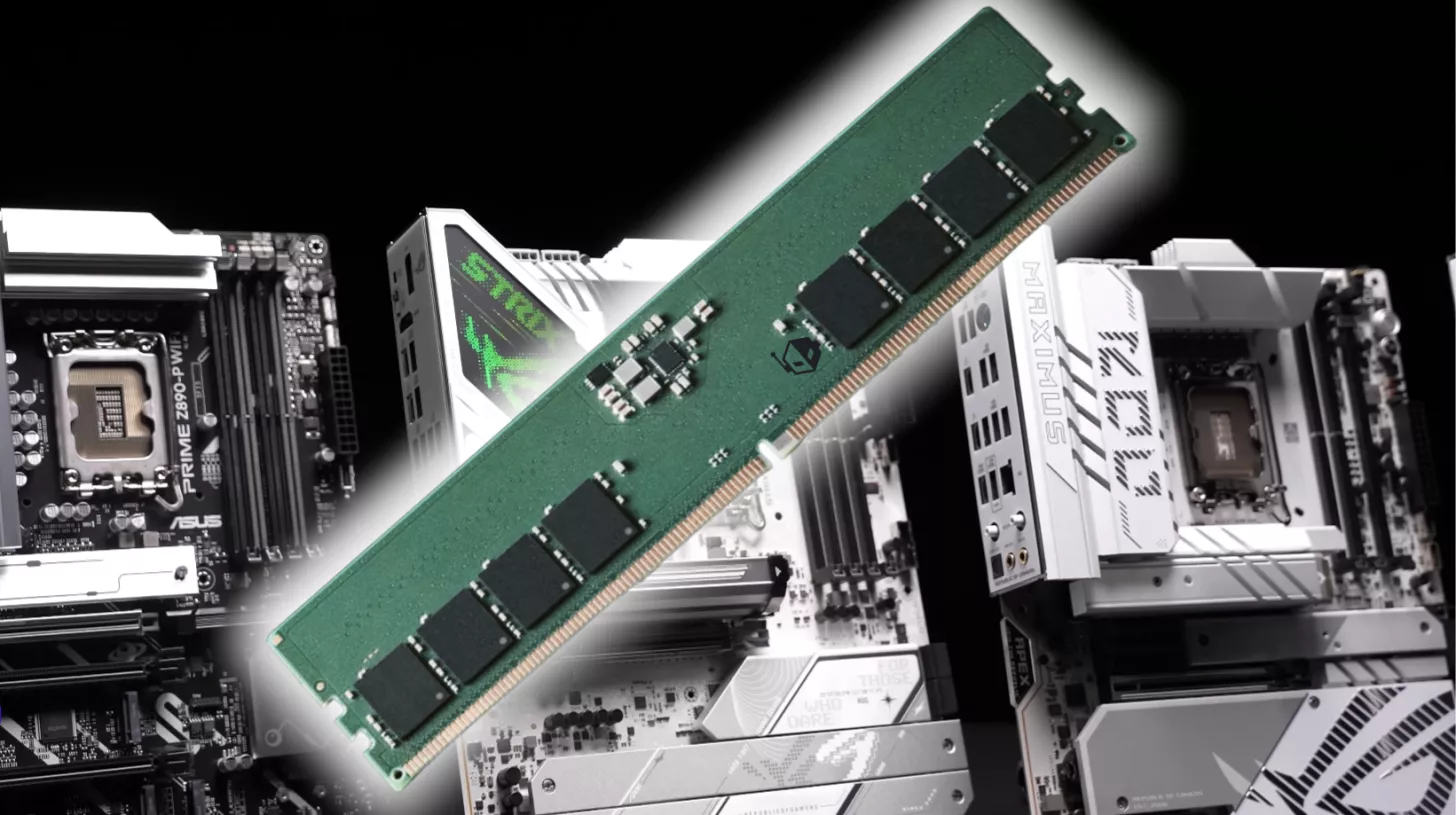
In a surprising turn of events, ASUS is stepping up its game to address the current challenges in the hardware market. With DDR5 RAM prices soaring, the company is taking a strategic leap back to DDR4 platforms to ensure gamers can still build high-performance rigs without breaking the bank. This decision is a response to the growing demand for affordable components amid an AI-driven market shift, forcing many to seek alternative solutions.
ASUS Plans to Boost DDR4 Motherboard Production in 2026
The tech giant has announced plans to ramp up its DDR4 motherboard production in the first quarter of 2026, focusing on both AM4 and LGA 1700 platforms. Reports suggest that ASUS will enhance output for AM4 motherboards with popular chipsets like B550 and A520, aiming to cater to budget-conscious gamers. The AM4 platform, despite its age, remains a popular choice due to its compatibility with the well-received Ryzen 5000 processors, which have been selling robustly even before the RAM shortage.
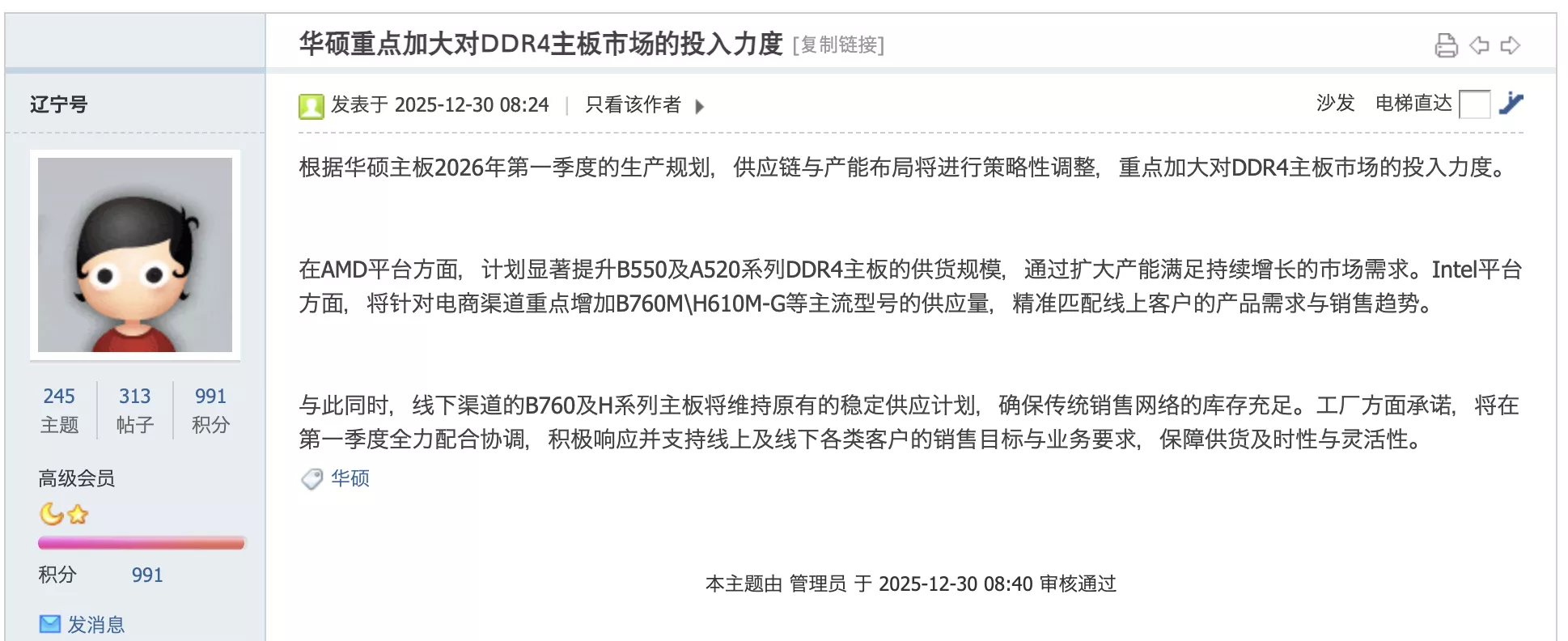
By strategically increasing DDR4 motherboard production, ASUS aims to meet the rising demand and provide gamers with more accessible hardware options. On the Intel side, ASUS plans to scale up production of mainstream motherboards like the B760M and H610M-G, aligning with the trend in e-commerce and traditional retail channels to maintain a steady supply.
Impact on the Gaming Community
The disappearance of popular Ryzen 5000X3D CPUs from the market has left gamers struggling to achieve optimal performance levels comparable to newer Zen 4 or Zen 5 chips. Despite this, ASUS’s decision to bolster the production of LGA 1700 motherboards in both DDR5 and DDR4 variants reflects an understanding of the current market demands. The introduction of more DDR4-based LGA 1700 motherboards with B760 and H610 chipsets is anticipated to alleviate some pressure from the ongoing component shortages.
ASUS’s proactive approach ensures that while DDR5 remains scarce, gamers can still assemble capable systems with DDR4 technology. If other manufacturers follow suit, this could lead to a broader industry shift, contingent on AMD and Intel increasing processor supplies. While Ryzen 5000 enjoys a surge in sales, Intel continues to offer robust performance with its 13th and 14th generation processors.