

The era of Massively Multiplayer Online (MMO) games once stood as a golden age in the gaming landscape. Renowned studios placed substantial bets on creating new MMO titles, riding the wave of increasing popularity in the genre. As the genre evolved, so did the ambitions of developers hoping to capture and retain the attention of millions of gamers worldwide.
The Rise and Challenges of Western MMOs
In the late ’90s and early 2000s, classic MMOs like Ultima Online, EverQuest, and Dark Age of Camelot laid the foundation. However, the release of Blizzard’s World of Warcraft in 2004 marked an unprecedented turning point, eventually boasting over 12 million subscribers at its peak in 2010. During the subsequent decade, a slew of ambitious Western MMOs emerged, including The Lord of the Rings Online, Star Wars: The Old Republic, Guild Wars 2, and The Elder Scrolls Online. These games aimed to capture a portion of World of Warcraft’s massive player base, often leveraging large budgets and well-known entertainment franchises. Despite their efforts, none of these titles fully replicated WoW’s monumental success, and the momentum for new Western MMOs waned by 2014.
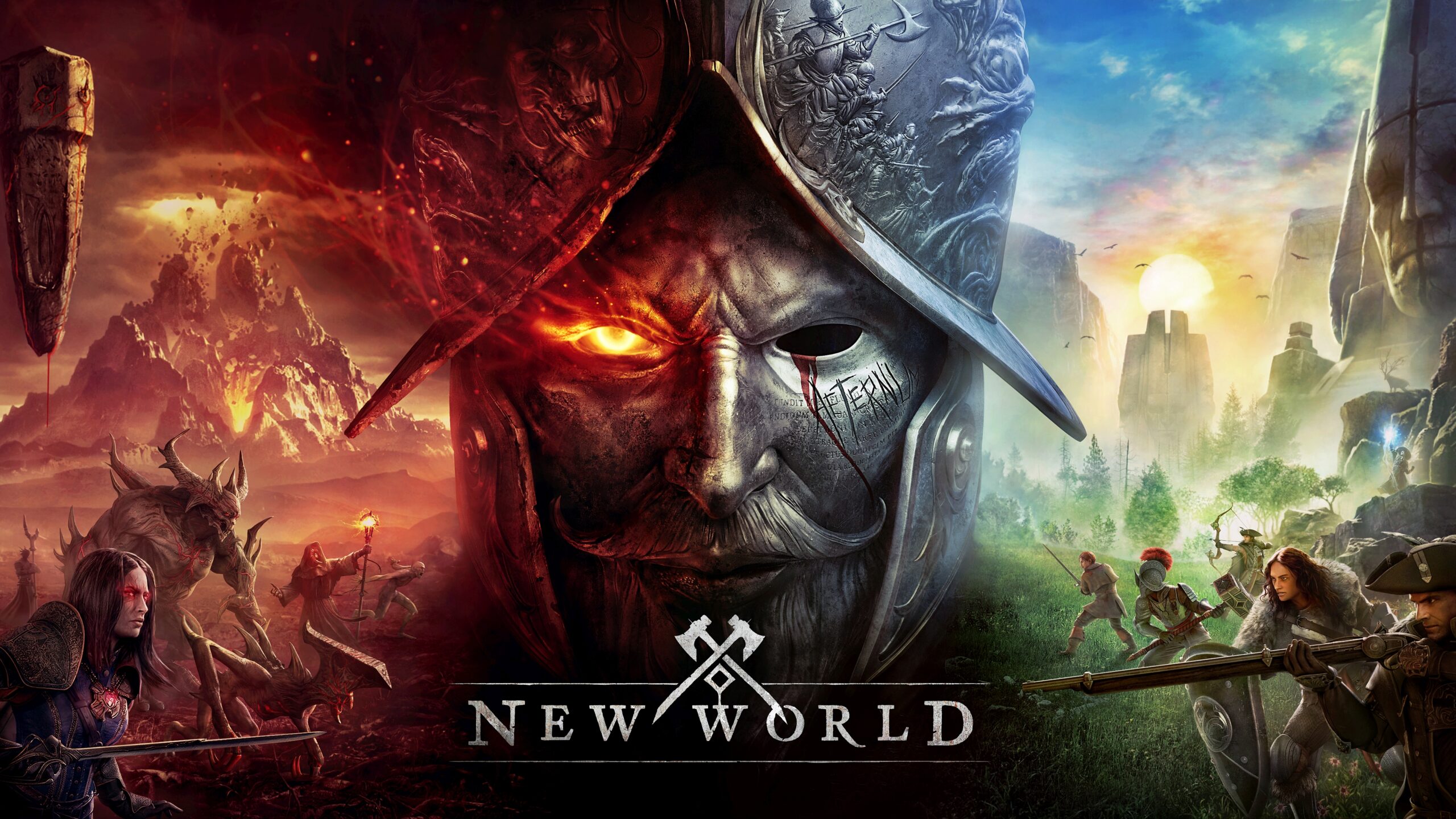
After The Elder Scrolls Online, it took seven years before another Western-made MMO launched into the market. With New World, Amazon made a bold entry into the MMO space, attracting nearly a million concurrent players on launch. Yet, content shortages soon led to a decline in player engagement. Meanwhile, development of a new Lord of the Rings MMO by Amazon was initially promising but eventually faltered due to contractual disputes and strategic pivots within Amazon’s game development teams.
Industry Perspectives and Future Directions
In light of these developments, industry veterans like Greg Street, Rich Vogel, and Scott Hartsman provided insights into the MMO landscape. Street noted the challenge of funding MMOs in a market where few deals are made, emphasizing the delicate balance between innovation and appealing to core gamers. Vogel pointed to the sustainable success of older MMOs, highlighting that their evolution keeps them relevant. Hartsman stressed the importance of adapting expectations and finding niches to serve well, suggesting the genre isn’t dead but changing.

So, then you play this game of: if you don’t innovate enough, you won’t attract players who already have an MMO like WoW, Guild Wars, or Final Fantasy, let alone newer players who have rejected the genre as old and stuffy. But if you innovate too much, you may not appeal to the core MMO gamer, and there is no guarantee you will appeal to the newer gamer either.’
The Mobile Shift and Player Opportunities
As Asian developers successfully integrate MMOs with mobile platforms, the potential for Western studios to follow suit becomes evident. The mobile segment’s growth could redefine what a AAA experience entails, offering opportunities for cross-platform play. The appetite for challenging experiences, reminiscent of Soulslike and extraction games, could also steer future MMO designs toward more sandbox-like, emergent content models. The examples set by games like Albion Online show that focusing on niche audiences can sustain a game indefinitely.

Ultimately, the MMO genre’s future in the Western world lies in its ability to adapt and innovate, meeting the evolving demands of players who seek both depth and flexibility in their gaming experiences.