
AMD Unveils Zen 6 Medusa CPUs and Next-Gen Gaming GPUs With Enhanced AI and Raytracing for 2027
Exciting developments are on the horizon for AMD as the company unveils its plans for next-generation CPUs and GPUs, with Gorgon and Medusa set to make waves in 2026 and 2027. These advancements promise significant leaps in performance, particularly within the realm of artificial intelligence, as AMD continues to push the boundaries of what’s possible in computing technology.
Anticipating AMD’s Next-Gen CPU Releases: Gorgon and Medusa
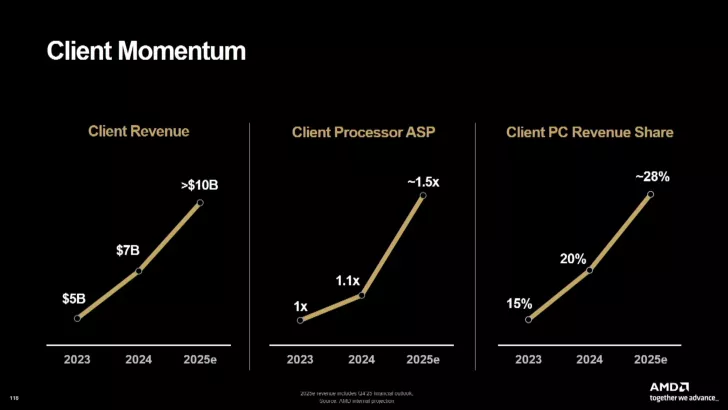
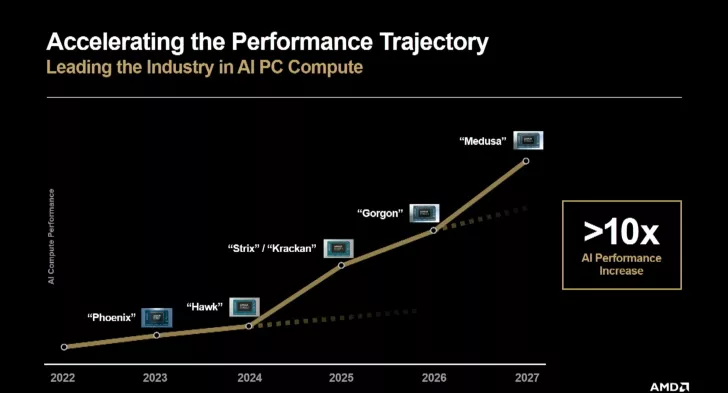
The year 2025 has proven to be monumental for AMD’s Client division, marking impressive growth with revenues hitting $10 billion, a 50% rise in CPU ASP, and capturing 28% of the PC revenue market. As we look forward, AMD is gearing up to introduce even more powerful processors and GPUs. Key highlights include the upcoming Gorgon Point CPUs, slated for 2026, which serve as a refresh of the “Strix/Krackan” processors. They will feature the Zen 5 CPU, RDNA 3.5 GPU, and XDNA 2 NPU architectures. This lineup paves the way for the subsequent Medusa Point CPUs in 2027, introducing the groundbreaking Zen 6 cores with enhanced GPU and XDNA IPs. This progression promises more than a tenfold increase in AI performance by the time Medusa processors are released.